Visit The Floating Village On Inle Lake, Myanmar

Visit The Floating Village On Inle Lake, Myanmar

Asia

Asia

In the hilly state of Shan in Myanmar, seventeen villages live perennially on the Inle lake which spans 22 kilometres long and 11 kilometres wide. Appearing like the Venice of the East, a visit to Inle Lake will turn the clock back to the early 1900s with its small motor boats, stilt houses and a very unique method of farming!

In this blog post, you’ll find everything you need to know to plan a visit to Inle Lake including how to reach Inle Lake, taking a boat tour, meeting the locals and where to stay in NyuangShwe. Inle Lake can be visited at anytime during the year, and it is best to stay for atleast one night and two days in the region.
Begin the morning with a walk in NyaungShwe

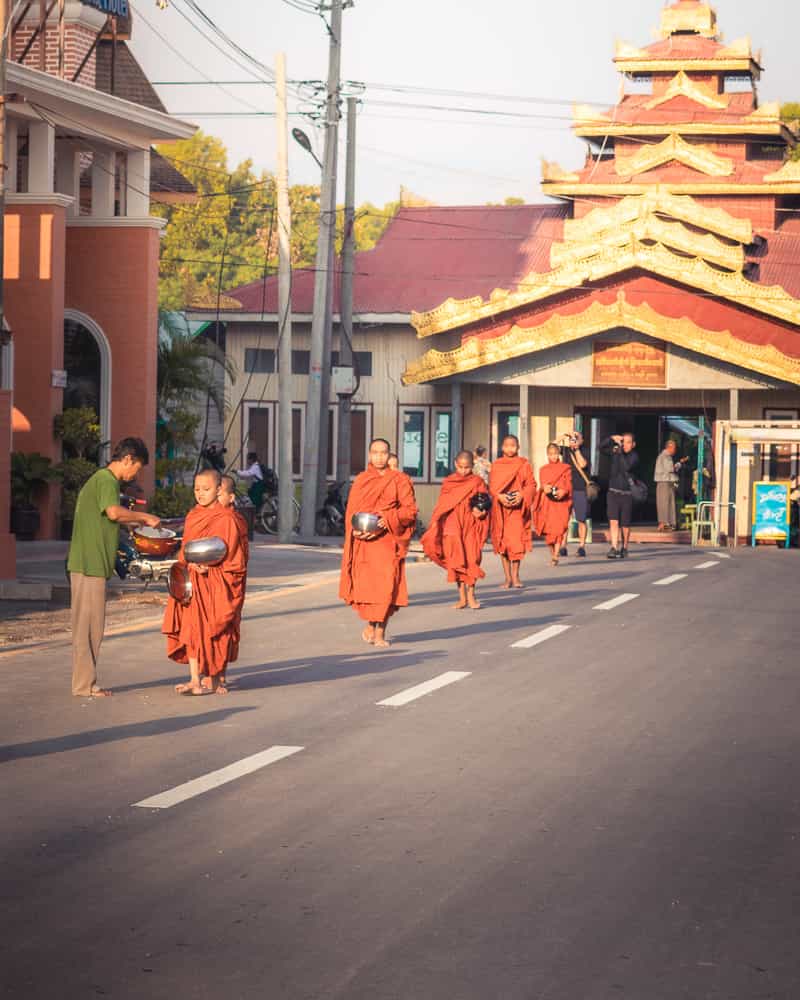
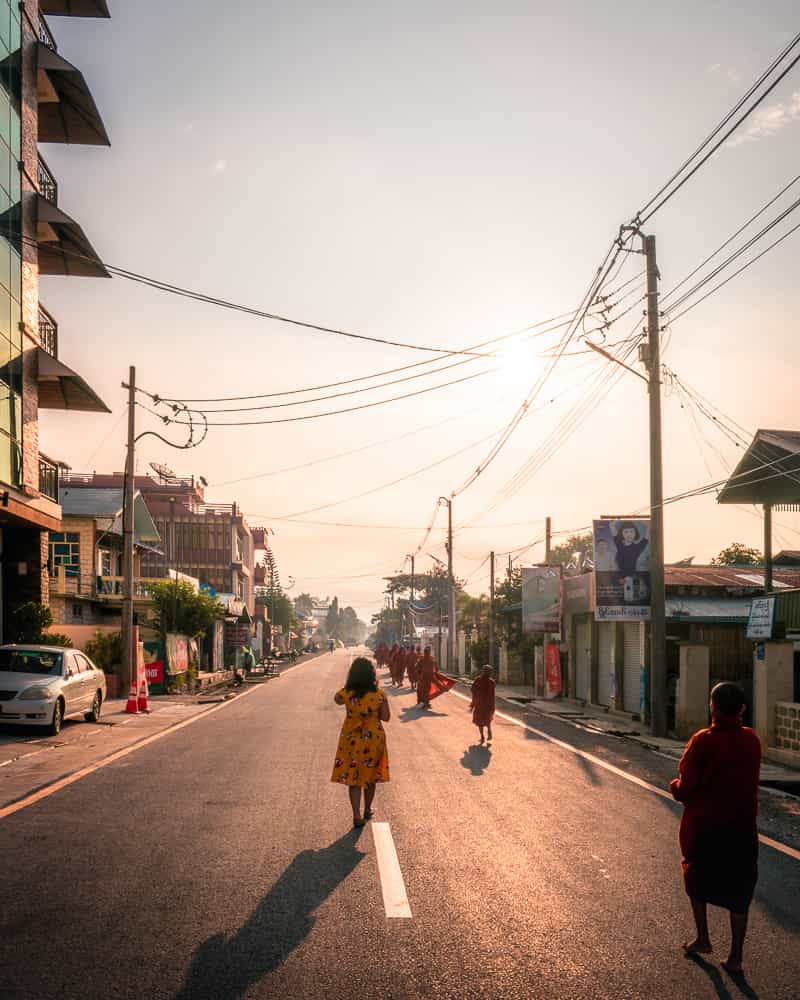
If you are up before 6 am, then you’ll see this beautiful sight! The locals gather on the street waiting to give alms to the young monks who make their way through the town of NyaungShwe, the gateway to Inle Lake.

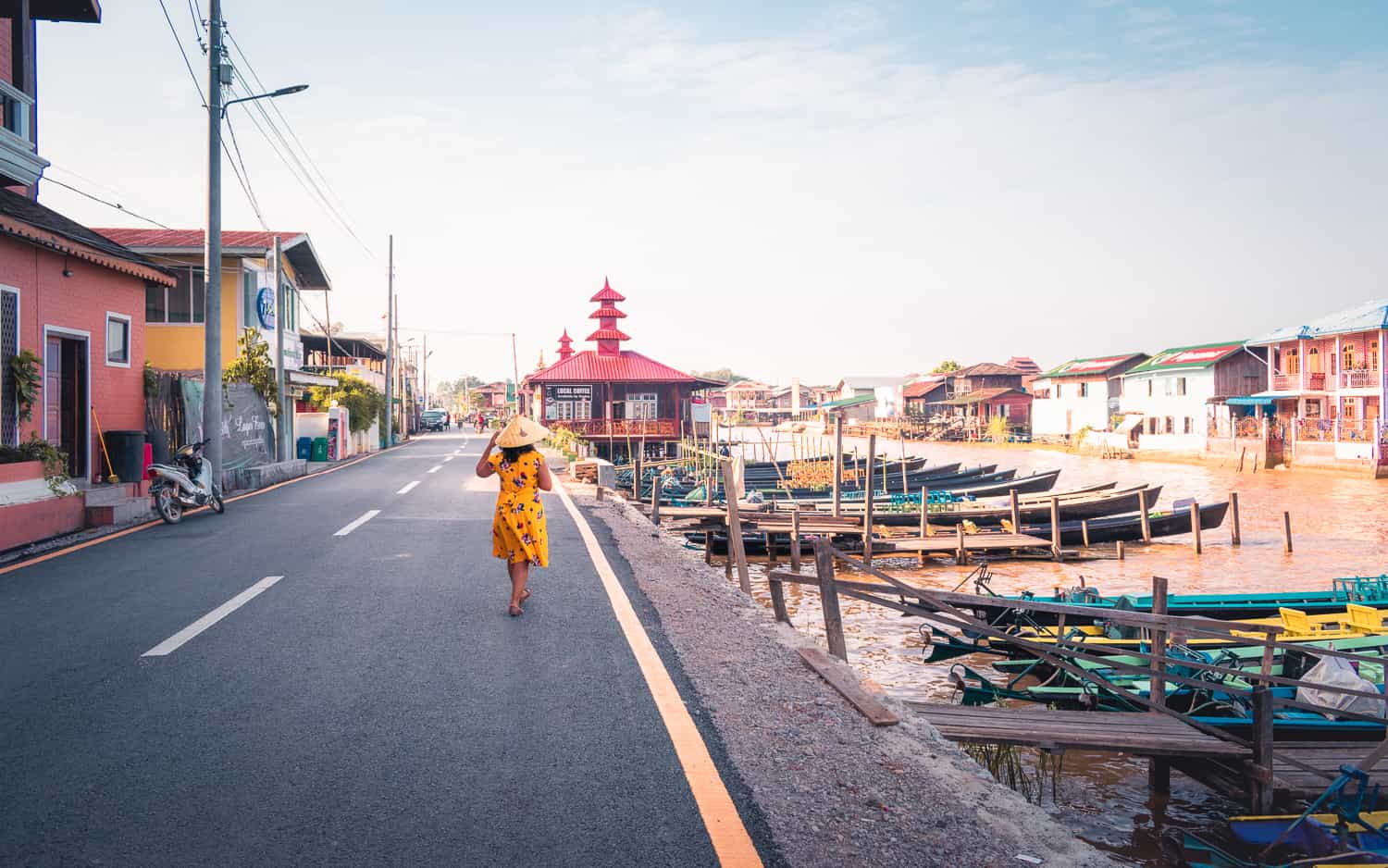
Walk along the city’s colourful streets and you’ll notice that most tourists there are Burmese. Inle Lake is one of the favourite weekend getaways for people from the bigger cities like Yangon. At the Western jetty, you can ride a boat to Inle Lake.

Tip: Buy a traditional Inle Lake straw hat at the stores near the Jetty entrance – its very useful when the sun comes out. 
Take a full day boat tour on Inle Lake

The most important experience in Inle Lake is doing a boat tour through the villages and open expanses of the lake. For about MMK 20,000 (USD 15 or INR 1,000), rent a boat that can seat up to 5 people and set off on a ride through the Venice of Myanmar. It is best to start the seven hour boat tour before 8 am in the morning.

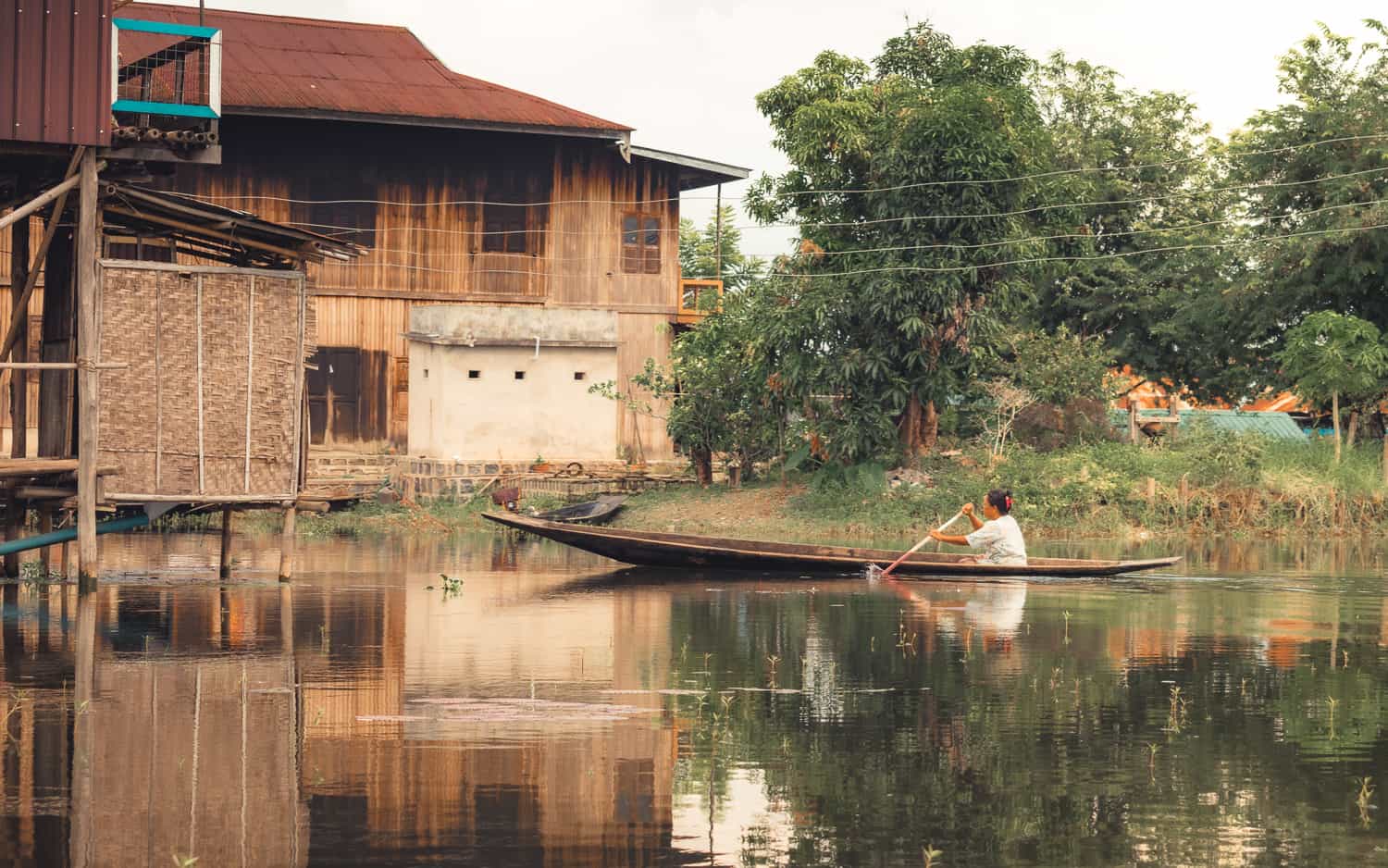
The boat takes 15 minutes to reach Inle Lake through the northern canals from NyaungShwe. Stilt fishermen, traditional stilt houses of the Shan People and floating markets are the main attractions on Inle lake. The most impressive floating markets are the umbrella factory, handmade cigars workshop, silversmiths and the traditional textile workshops, where they make cloth from Lotus fibres. 
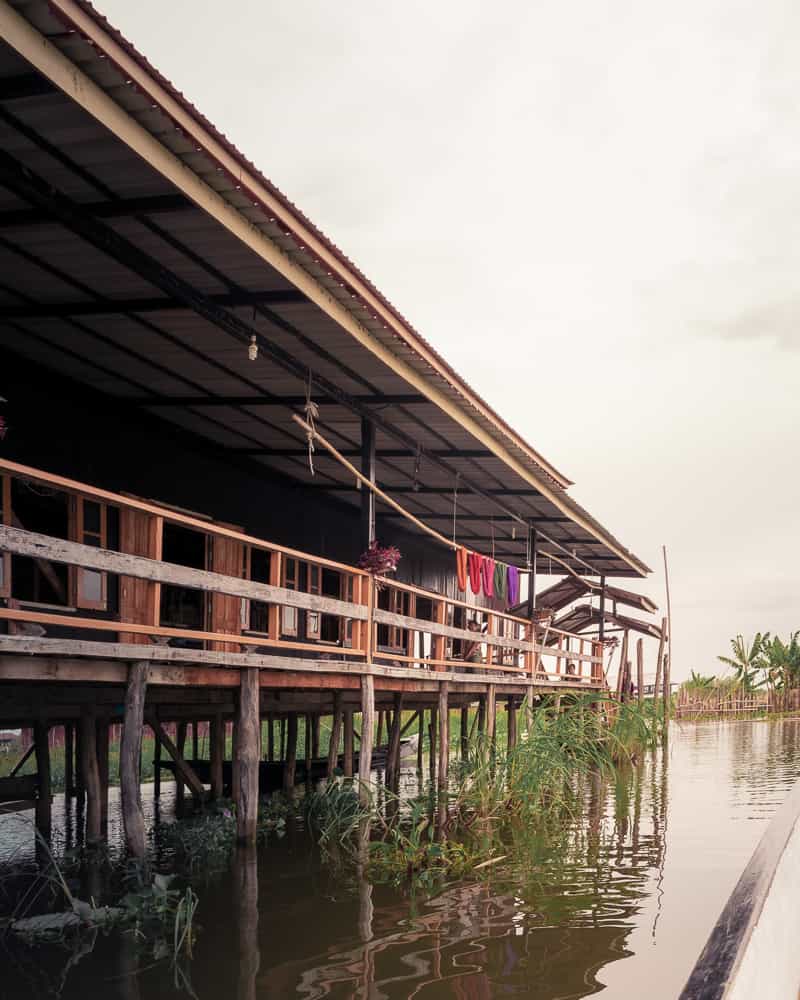
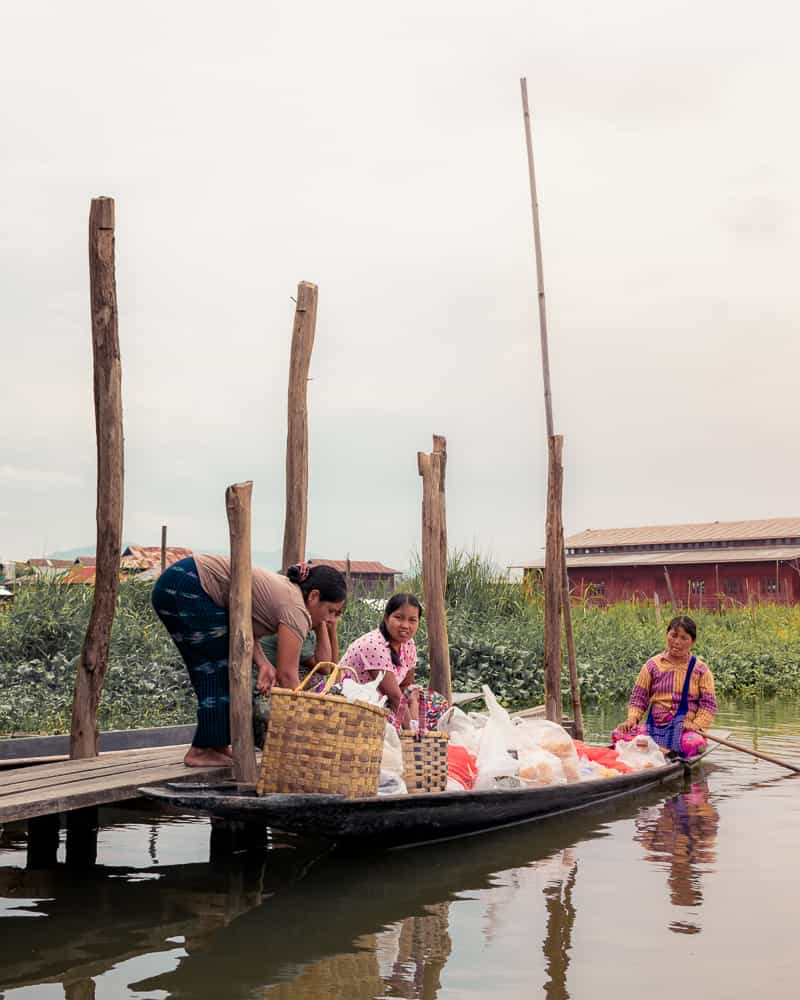
Everything at Inle Lake is interesting to see – a school on stilts where parents pick their children in the boats, restaurants having a parking lot for the boats and even in-house garages!

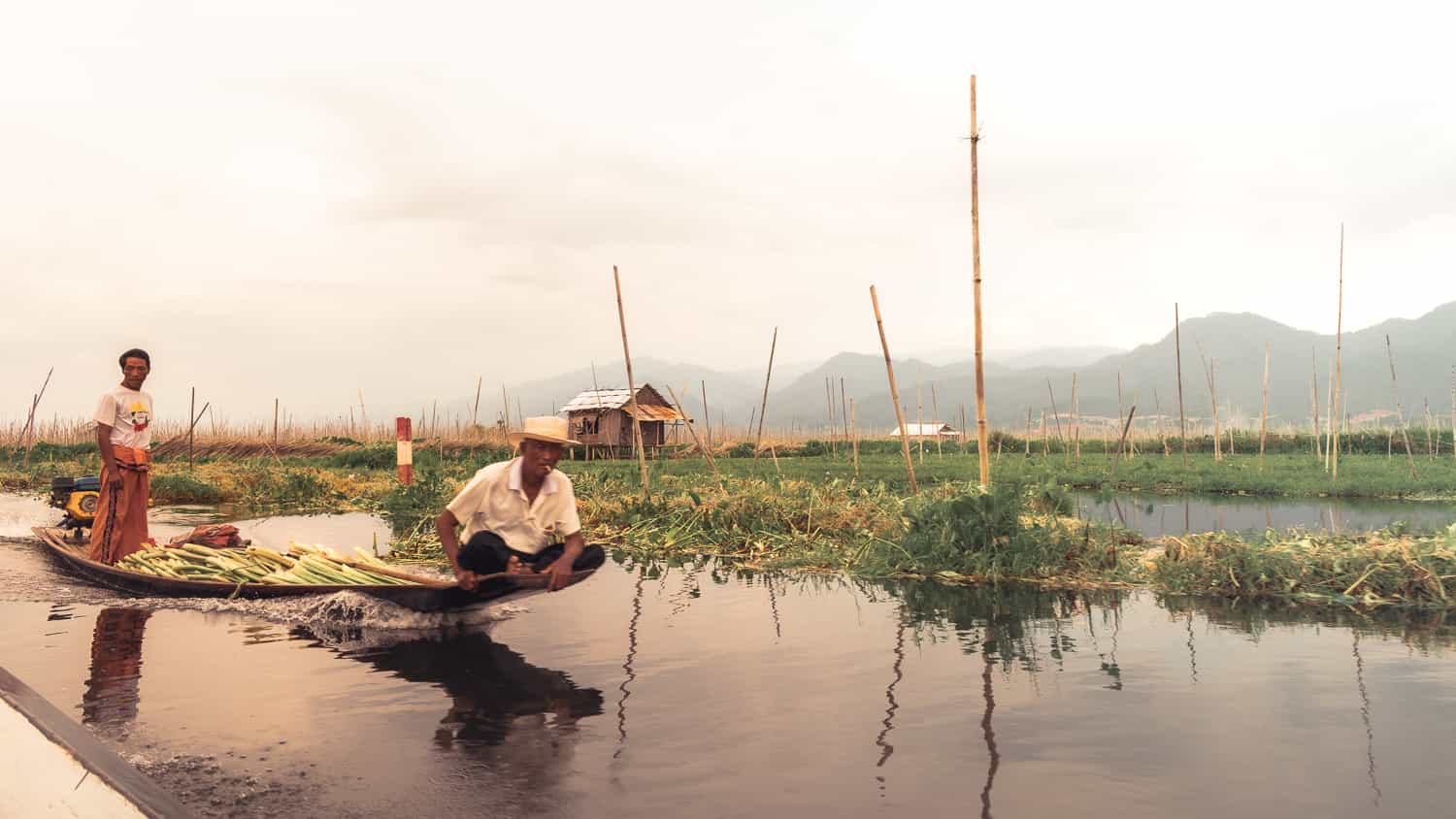
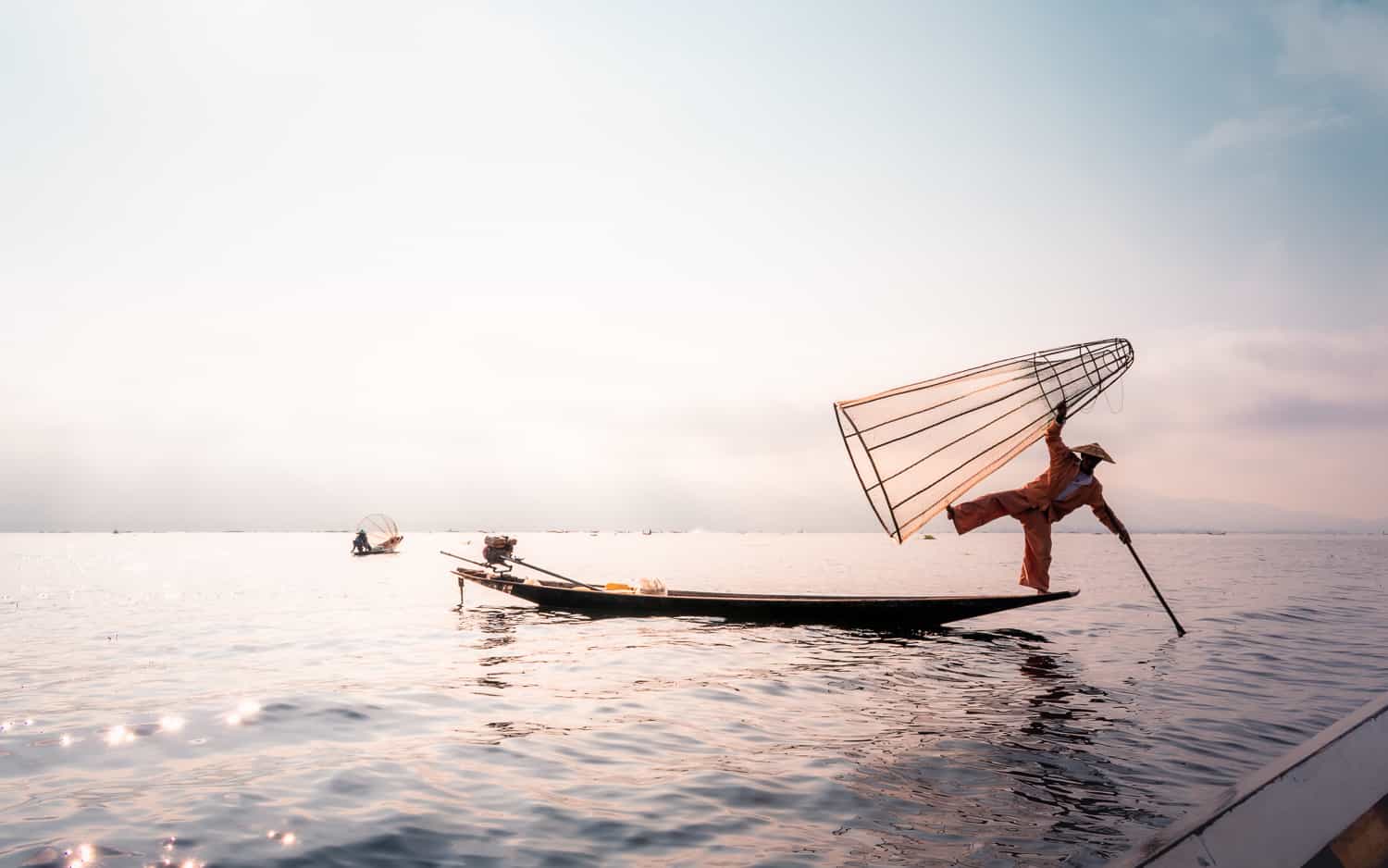
The most unique feature of the Inle Lake stilt fishermen is how then tilt on their side and throw in the triangular fishnet into the shallow lake (average depth of Inle Lake is 5 ft) using one hand and row the boat with one foot!
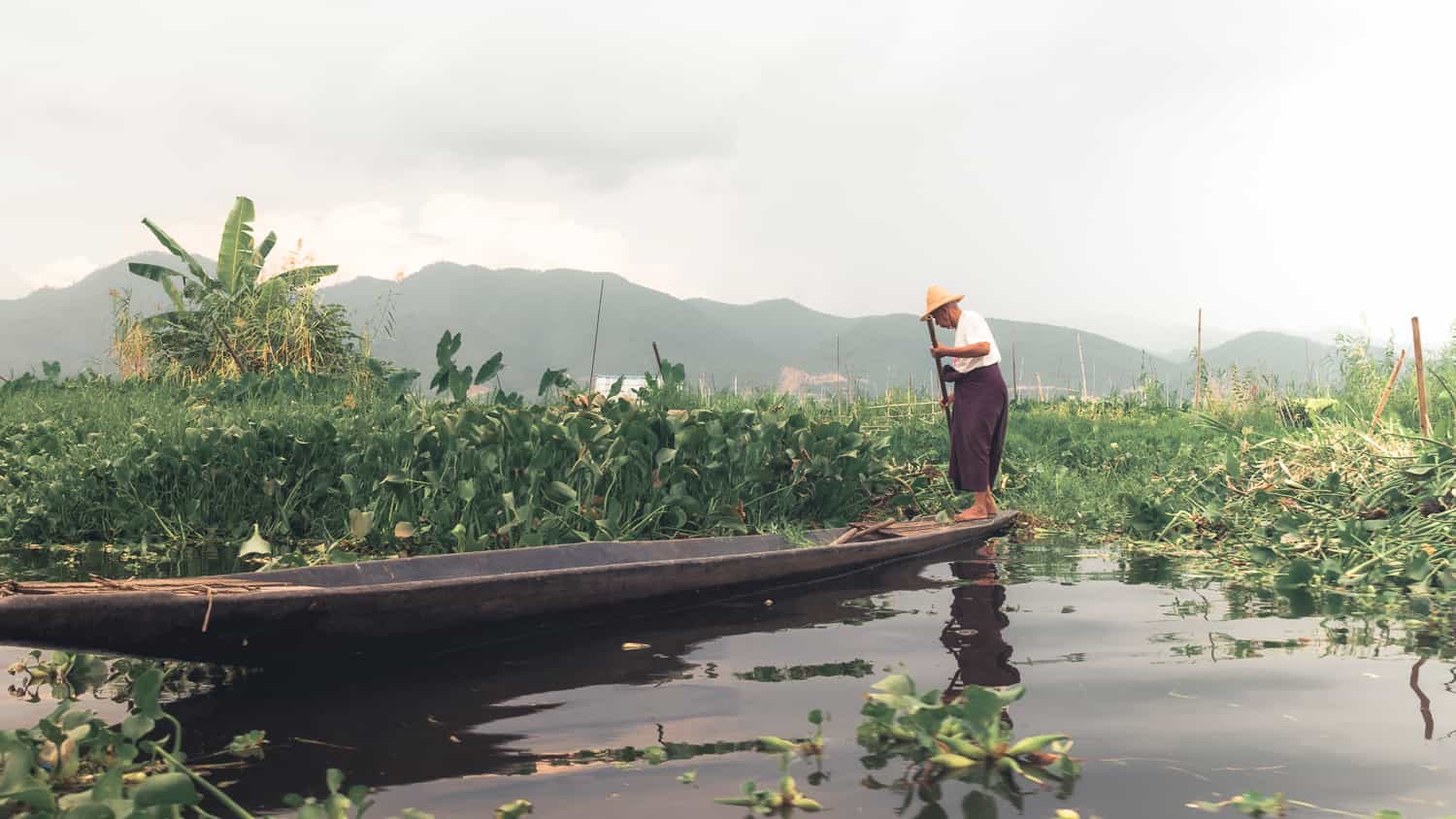
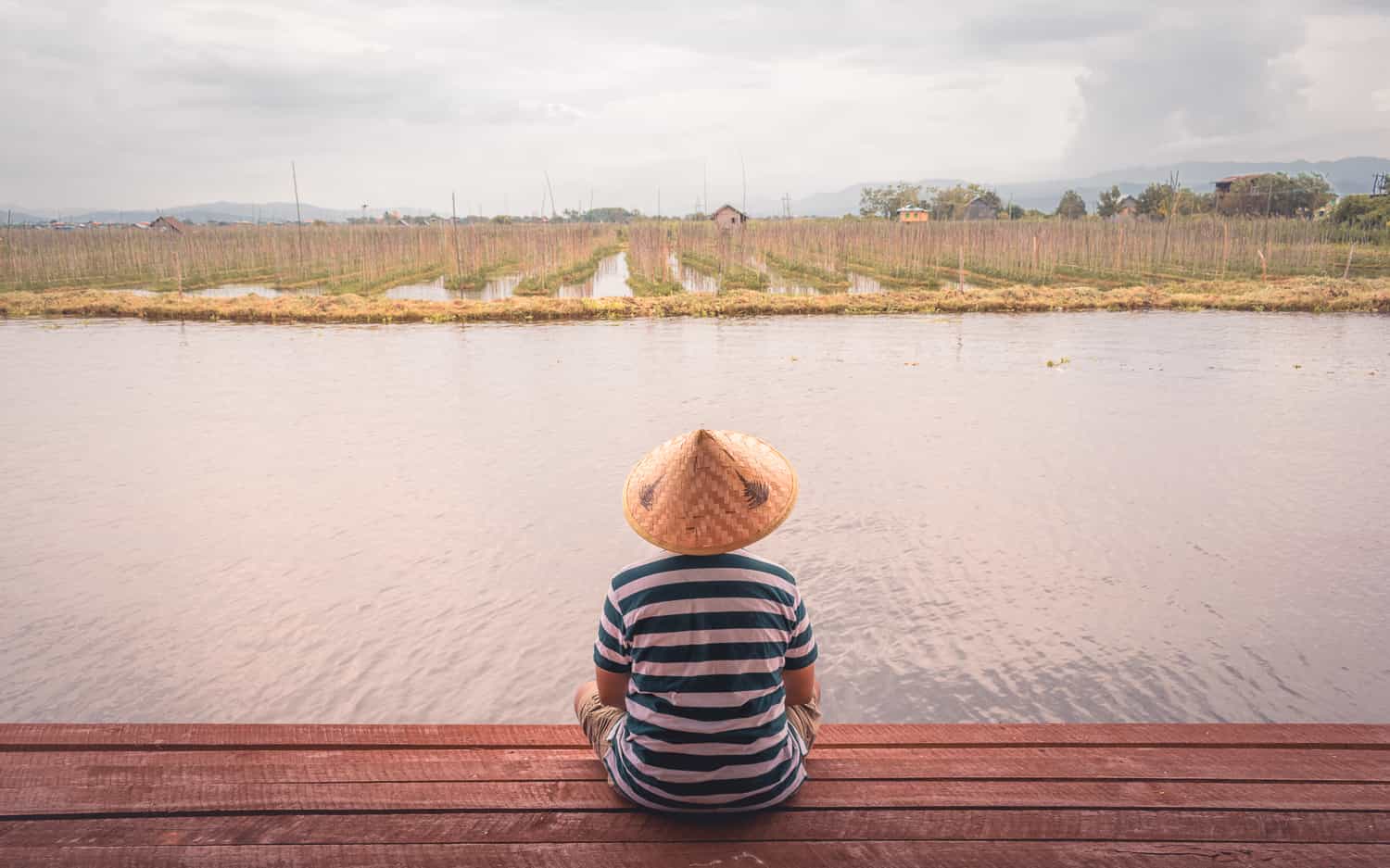
The other equally impressive thing about Inle Lake and its floating villages is how they farm. Using flat panels made made of bamboo as an artificial ground, the farmers grow so many varities of vegetables like tomatos, paddy and even some fruits. It is very interesting to see them planting and harvesting the farm produce everyday.


Where to eat lunch

Inle Lake has many floating restaurans where you can find authentic burmese dishes like noodles, rice and curry, fresh fruit juices and more. The boatsmen generally take visitors to the ones nearest to them around noon time. For dinner, you can feast on the local cuisine at the Diamond Star kitchen – Mrs. Ida Sao makes the best noodles and curry in NyaungShwe!
Pray at the magnificent golden Pagodas in Inle

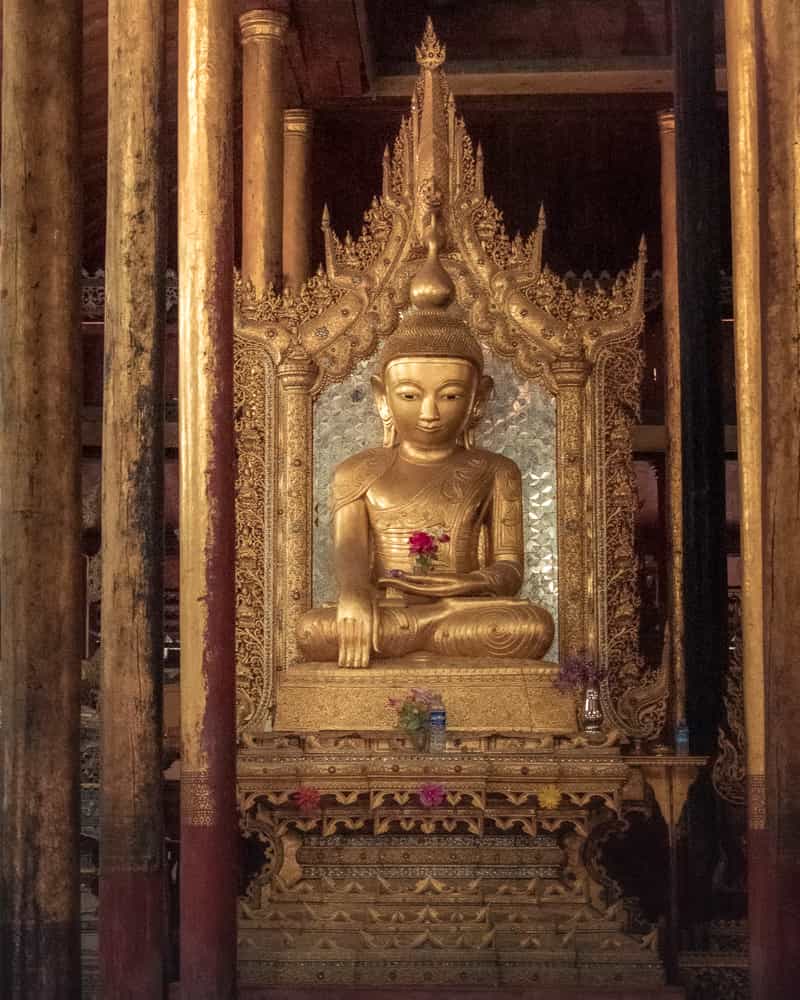
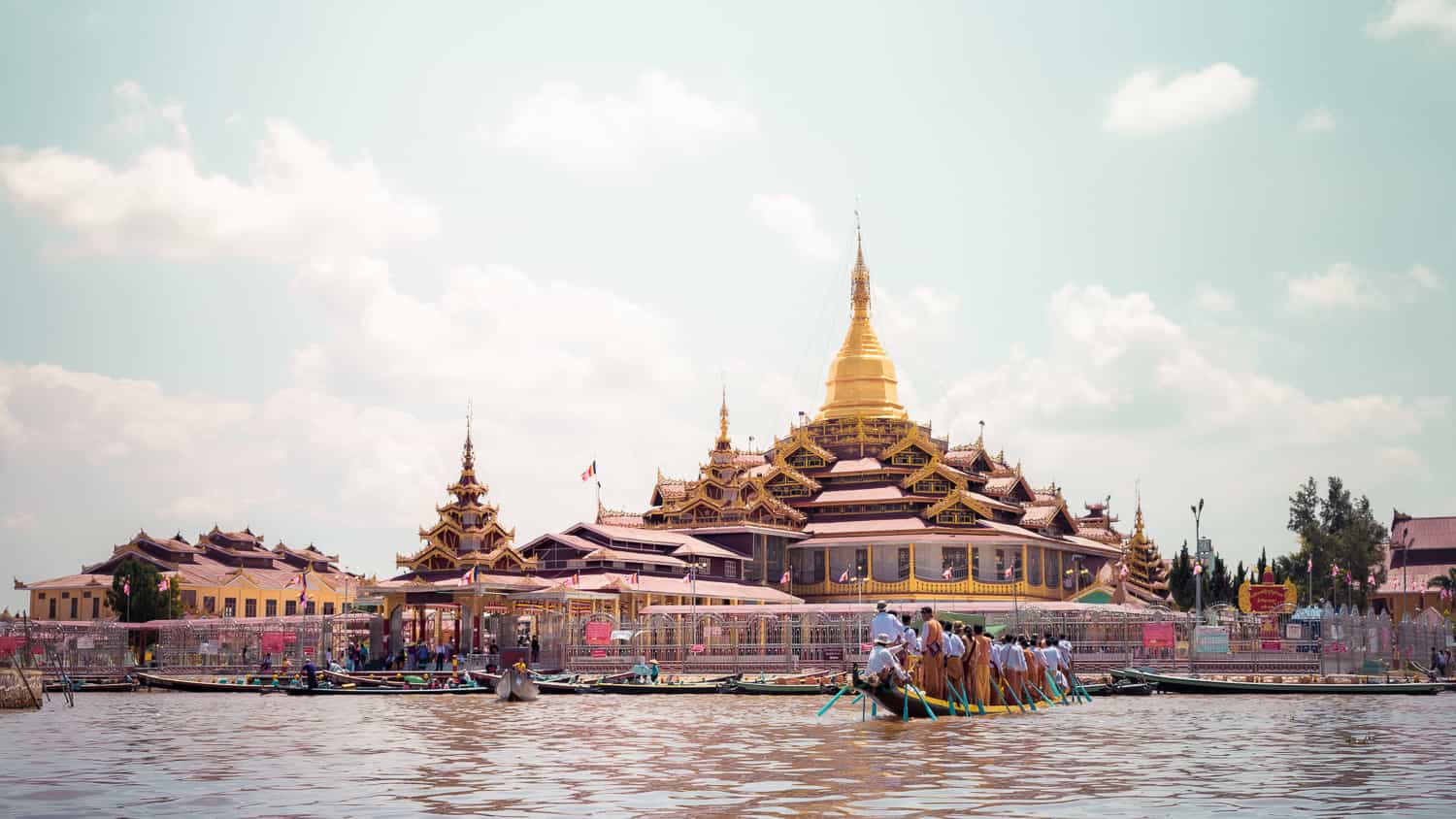
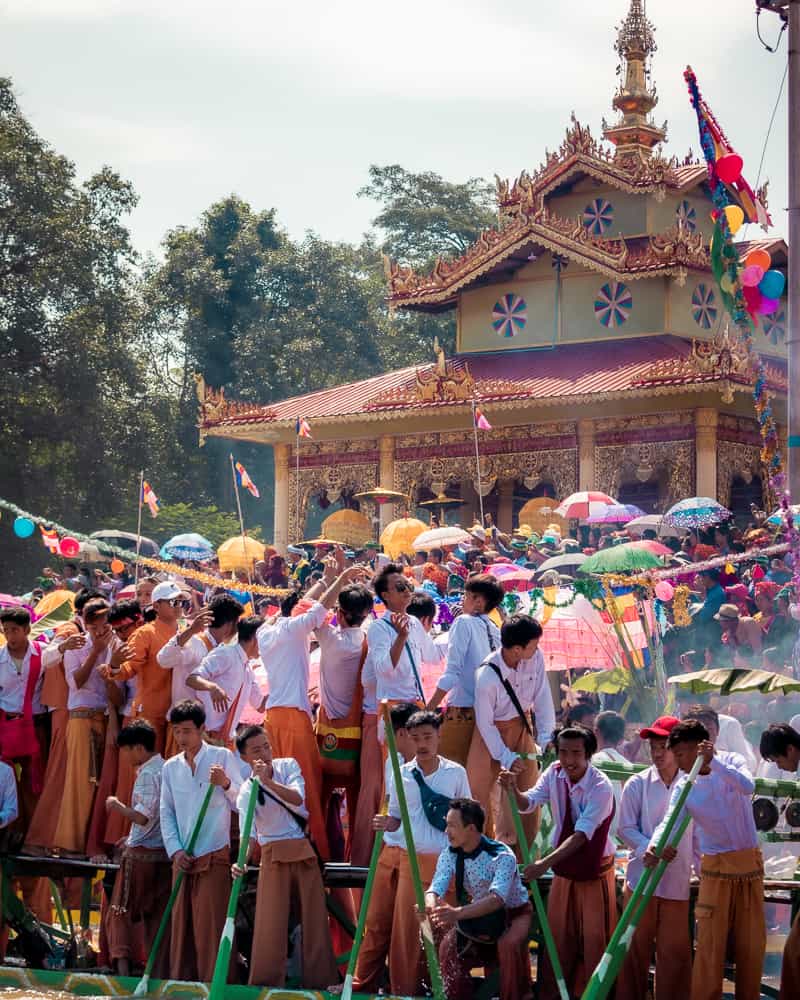
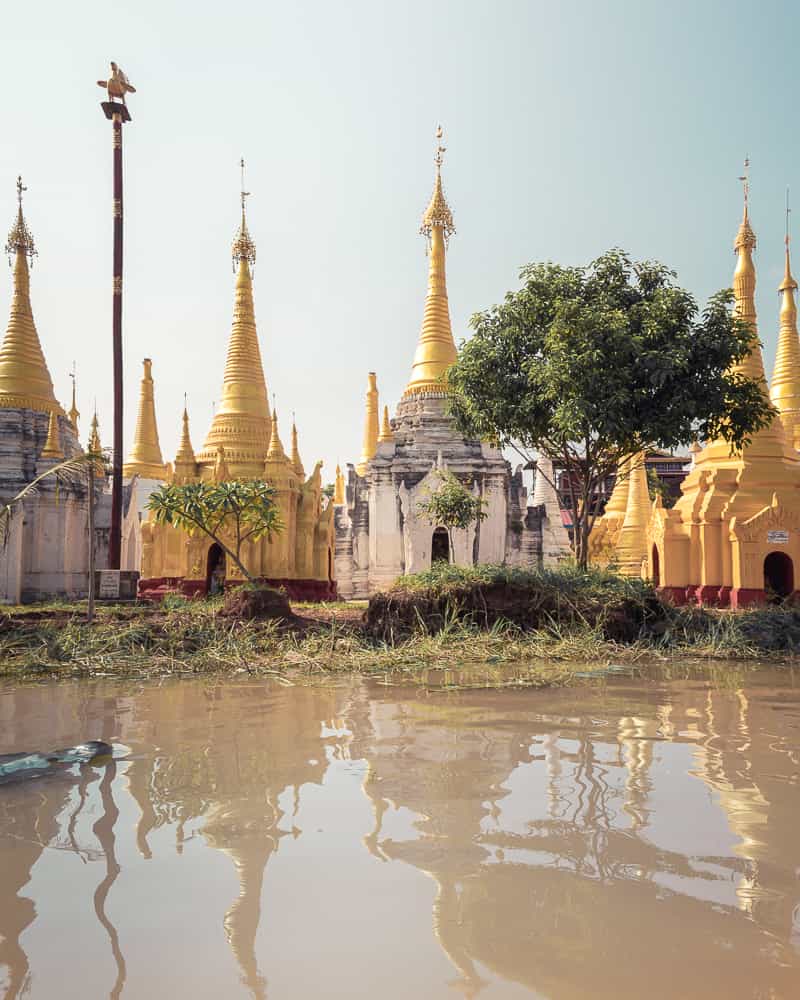
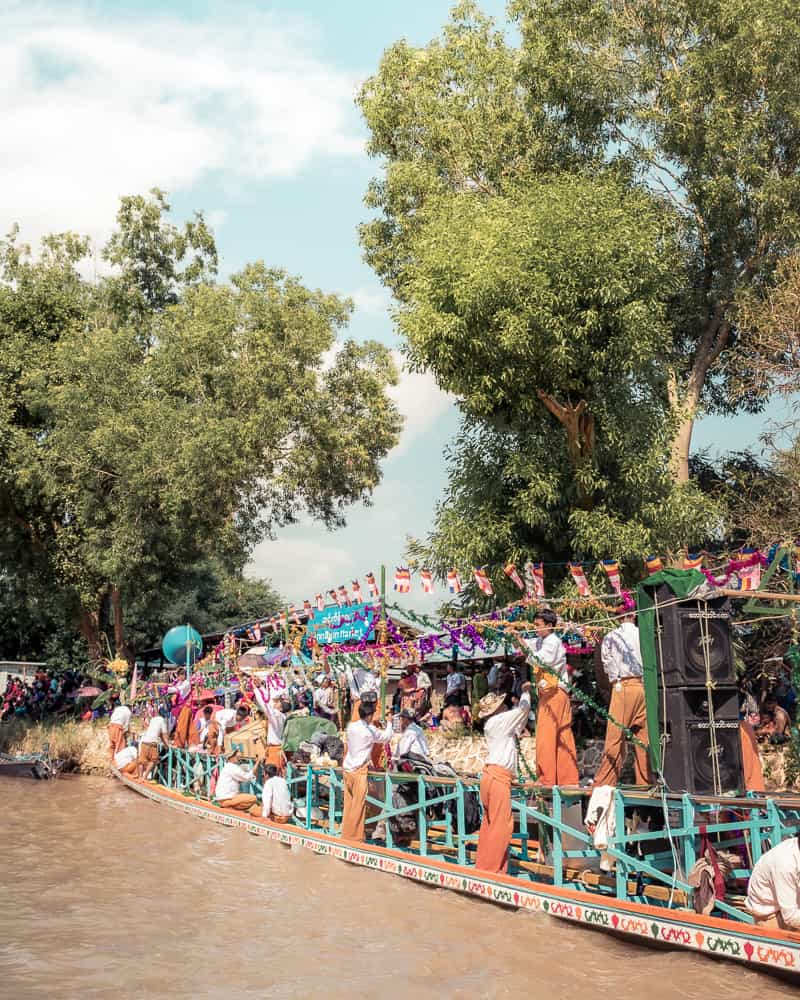
Inle Lake has a few small islands on which many Buddhist pagodas have been built over centuries! The grandest pagoda is the Hpaung Daw U Pagoda, a massive shrine that houses gilded Buddha statues. Many people visit the Ppaung Daw Pagoda during the annual festival held in late September. The most unique feature is the procession that is carried out on boats. We’ve seen rowing with both feet in Vietnam, but these men row with just one foot!

The village of Nyaung Ohak is known for its mysterious jungle of crumbling temples, some of which are still well maintained and worshipped at. 
Visit an old monastery and participate in traditional festivals

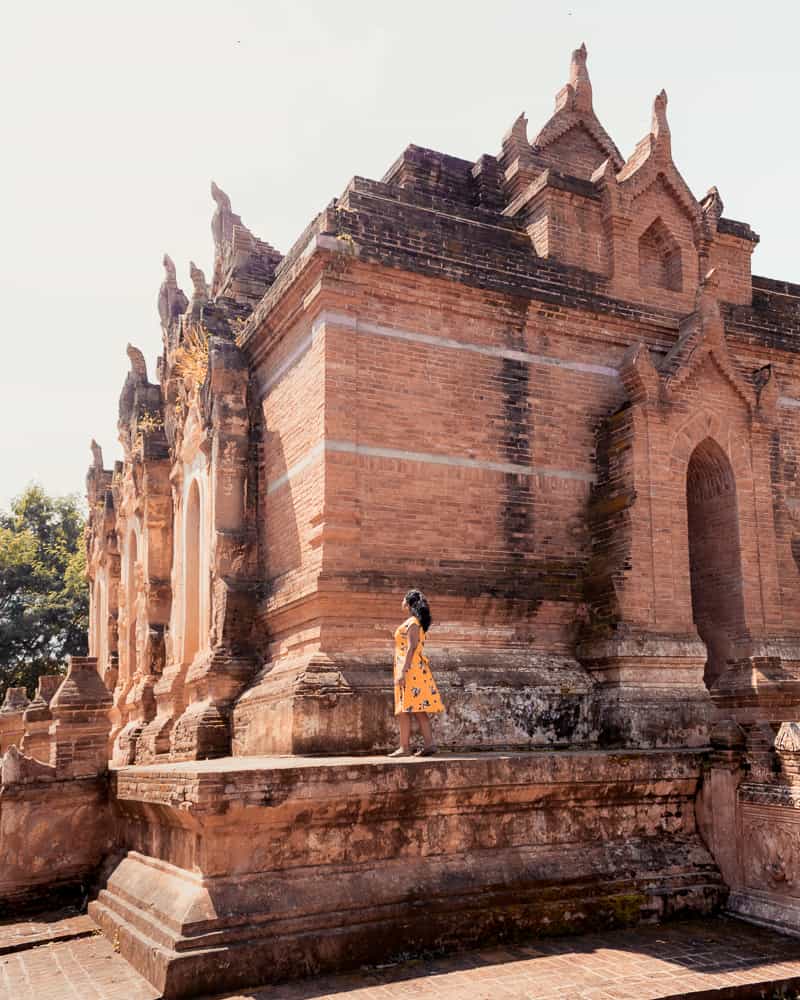
The Nga Phe Kyaung Monastery is one of the oldest on Inle Lake and is worth a stopover on the way back from the southside of the lake zone. Occassionally, the festivities on the lake can be very fun to engage in. Most families are out, dressed in their best tradiional attire and decorations are everywhere – temples, houses, bridges, boat jetties and more! 

Tip: There are no entrance tickets to the monasteries. You may have to pay a small tip to leave your shoes at the gate.
Important tip on dressing:

It is very important to dress right in Inle Lake. Myanmar, much like other Asian countries, has its own conserative style. That extends to visiting temples and pagodas, houses, public spots, amongst other places. It is best to dress modestly by avoiding short-shorts, small dresses and tops that do not cover shoulders. Also, it might be convenient to wear flip-flops or gliders over shoes as you will find yourself taking them off very often.
Meet some of the nicest people in the World!

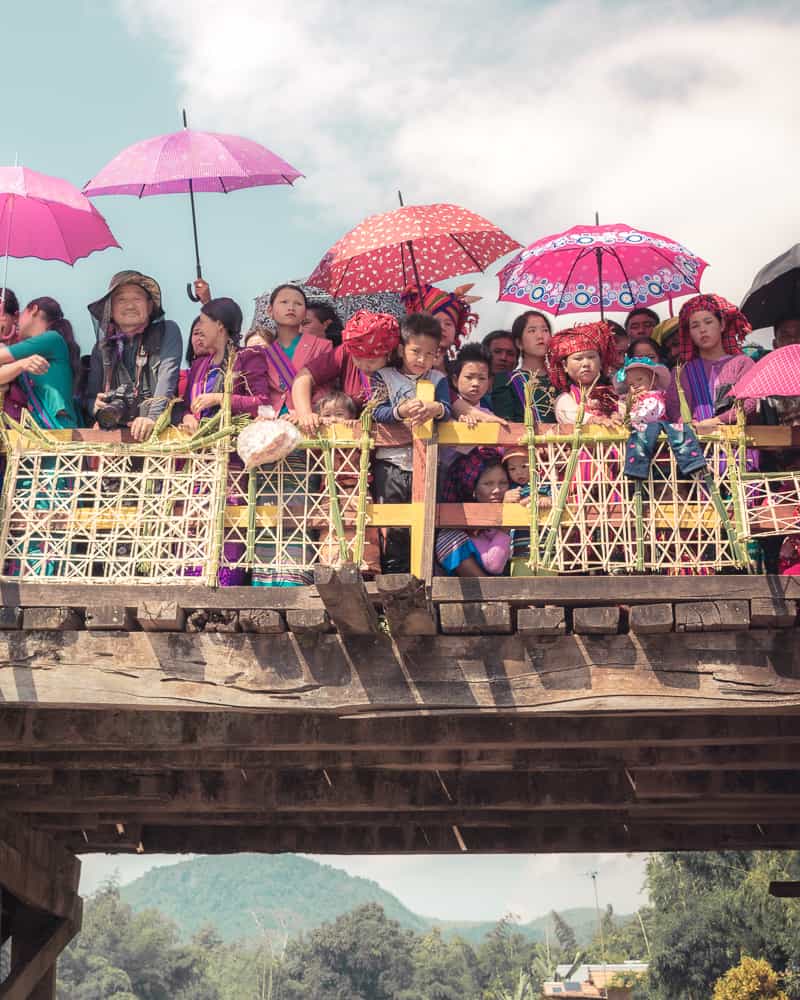
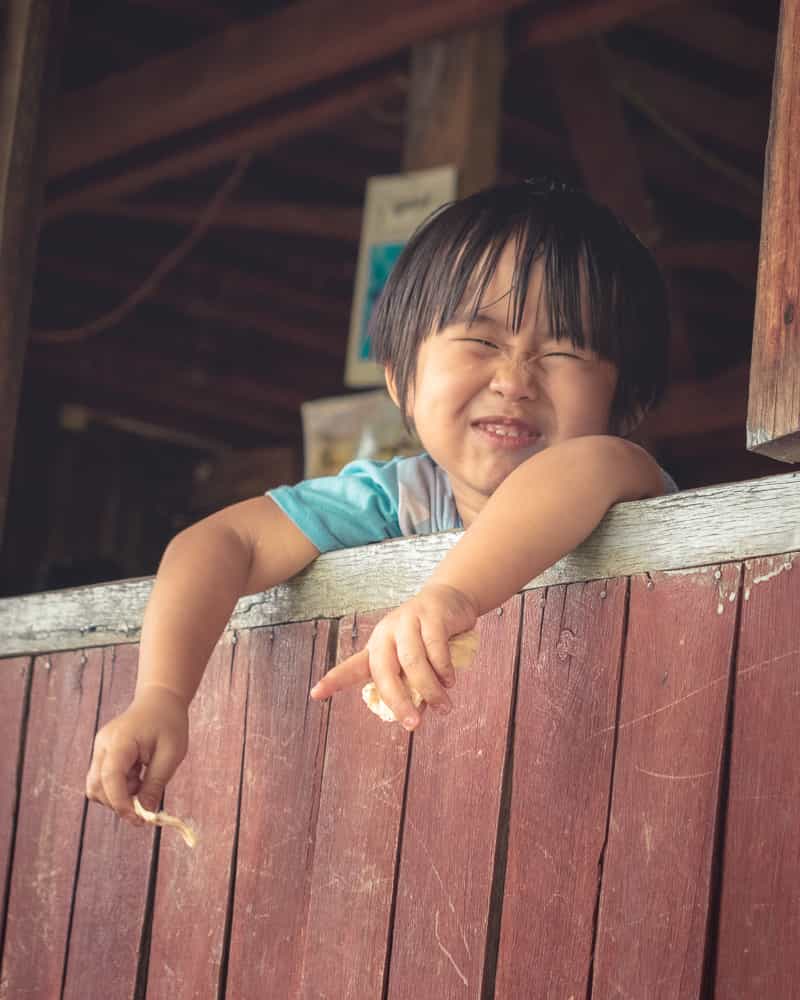
If you have met the locals in Myanmar, you’ll quickly agree that they are very nice! And its no different in Inle. The Shan People are a tribe thats called the hilly Shan state their home for centuries and are exceptionally kind hosts!

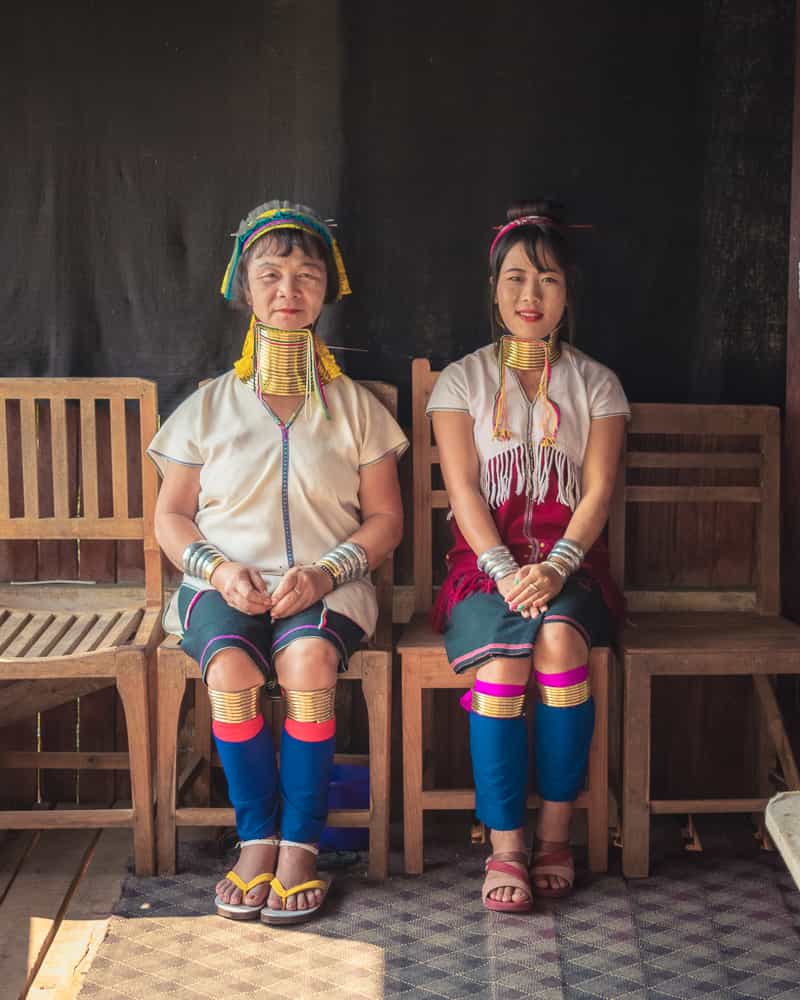
The tribal Kayans also made Inle Lake their home and you can still find women with the traditional neck rings. For a courteous tip, the women oblige photography.
How to travel to Inle Lake

Although Inle has connectivity by road, rail and air (through nearby towns), it is best visited using a bus service. An overnight bus from Yangon to Inle Lake takes 8 hours. The bus ride costs USD 12 (INR 850) for a foreigner and drop is in NyaungShwe. Another alternative is to fly into Heho Airport and then take a taxi to NyaungShwe. 

A Zone Fee is collected at the entrance of NyaungShwe for travellers visiting Inle Lake. The permit costs MMK 20,000 (INR 1,000 or USD 15).

Book your bus ticket here


Where to stay in Inle Lake

You can stay in NyaungShwe in one of the many BnBs and homestays or spend the night in the luxurious resorts on Inle Lake in a romantic room on stilts! We stayed at the Diamond Star guest house run by a very friendly Burmese couple Sao and Ida for MMK 15,000 (about USD 10 or INR 700) including yummy breakfast.

See the best accommodation in Inle Lake here
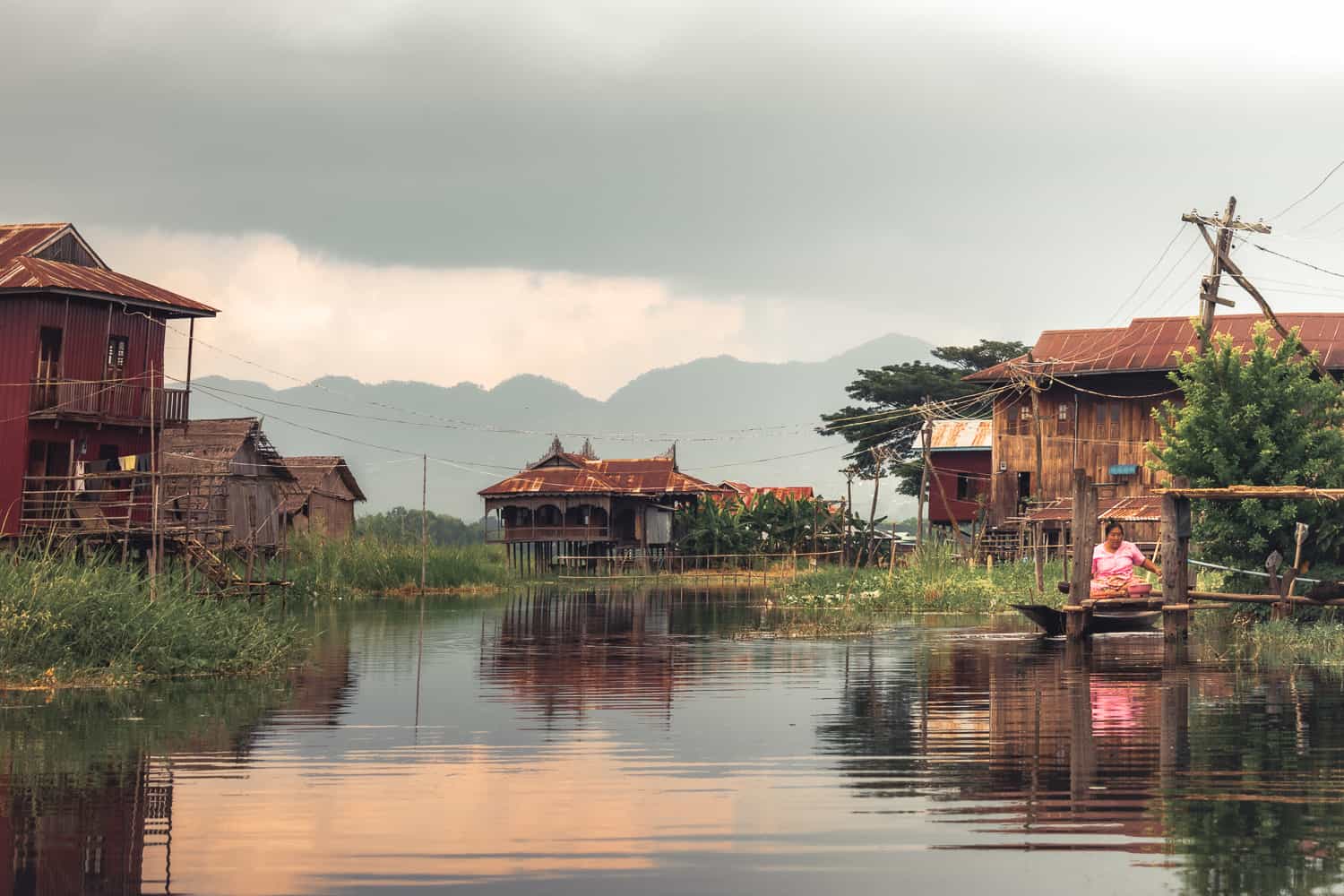
Inle Lake is probably one of those offbeat places in Myanmar for foreign travellers, but has been gaining popularity in the recent past! We hope this post inspires you to visit the floating villages and experience what life is like on one of the largest lakes in the country.

If you have questions, don’t hesitate to ask us!

This article features in the Asia, Myanmar, South East Asia categories

Bookmark this post for reading later!

This error message is only visible to WordPress admins

Error: API requests are being delayed for this account. New posts will not be retrieved.

There may be an issue with the Instagram Access Token that you are using. Your server might also be unable to connect to Instagram at this time.

A Weekend Trip To Jog Falls

A Weekend Trip To Jog Falls

Asia

Asia

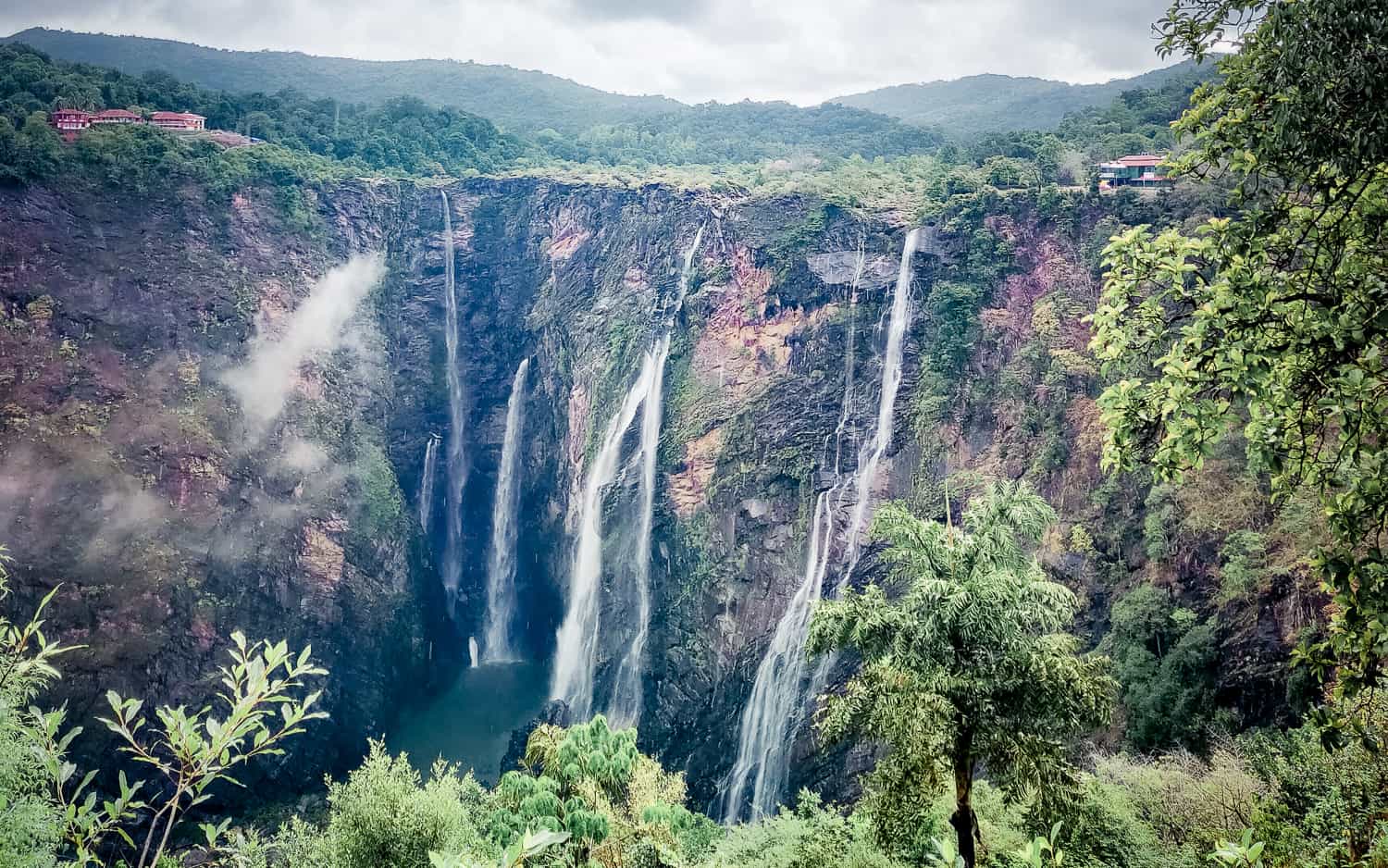
As one of India’s highest waterfalls, and the tallest one in South India, Jog Falls is a very popular tourist destination in Karnataka! Most visitors do a day trip to the village of Jog where the falls are located – but is it worth spending a night also there? 

In this blog post, you’ll find everything that you need to know to plan a visit to the most beautiful waterfalls in Karnataka – Jog Falls. Starting with a few view points, we’ll tell you about how to travel to the village, where to stay near the falls and about the sightseeing around Jog Falls.

Jog Falls and its streams of waterfalls

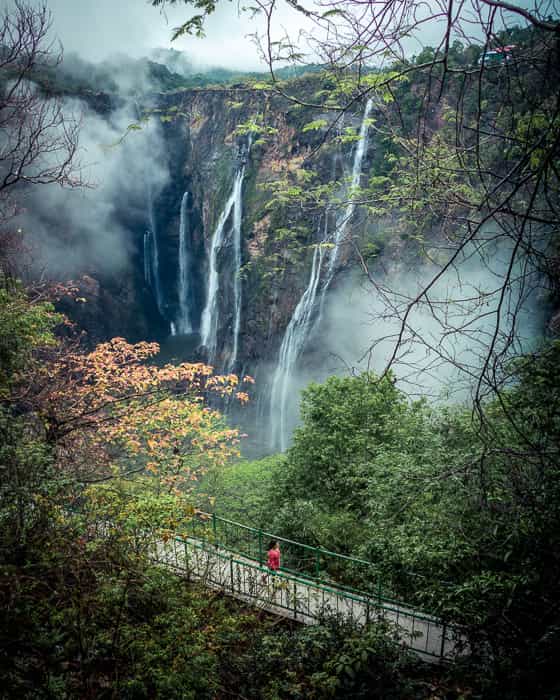
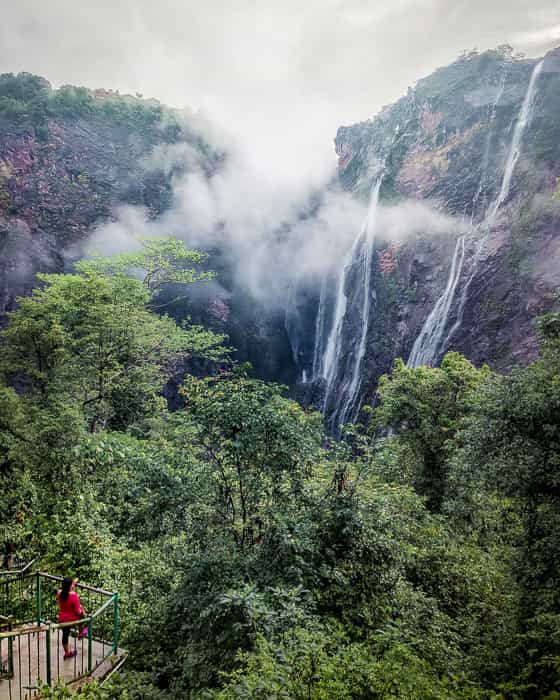
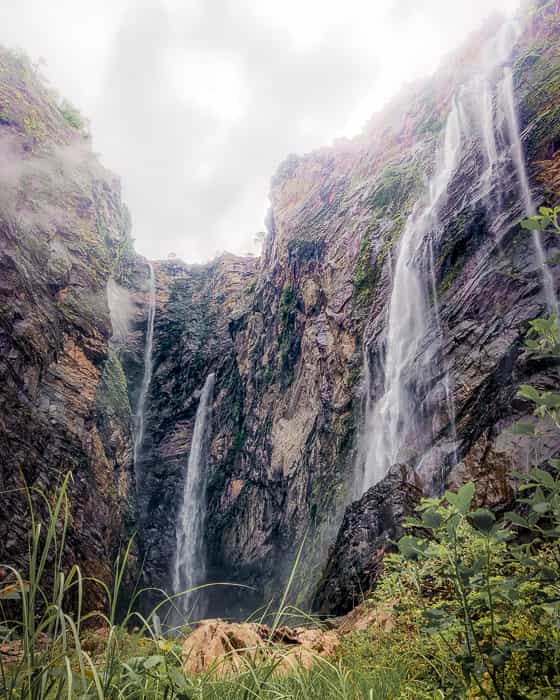
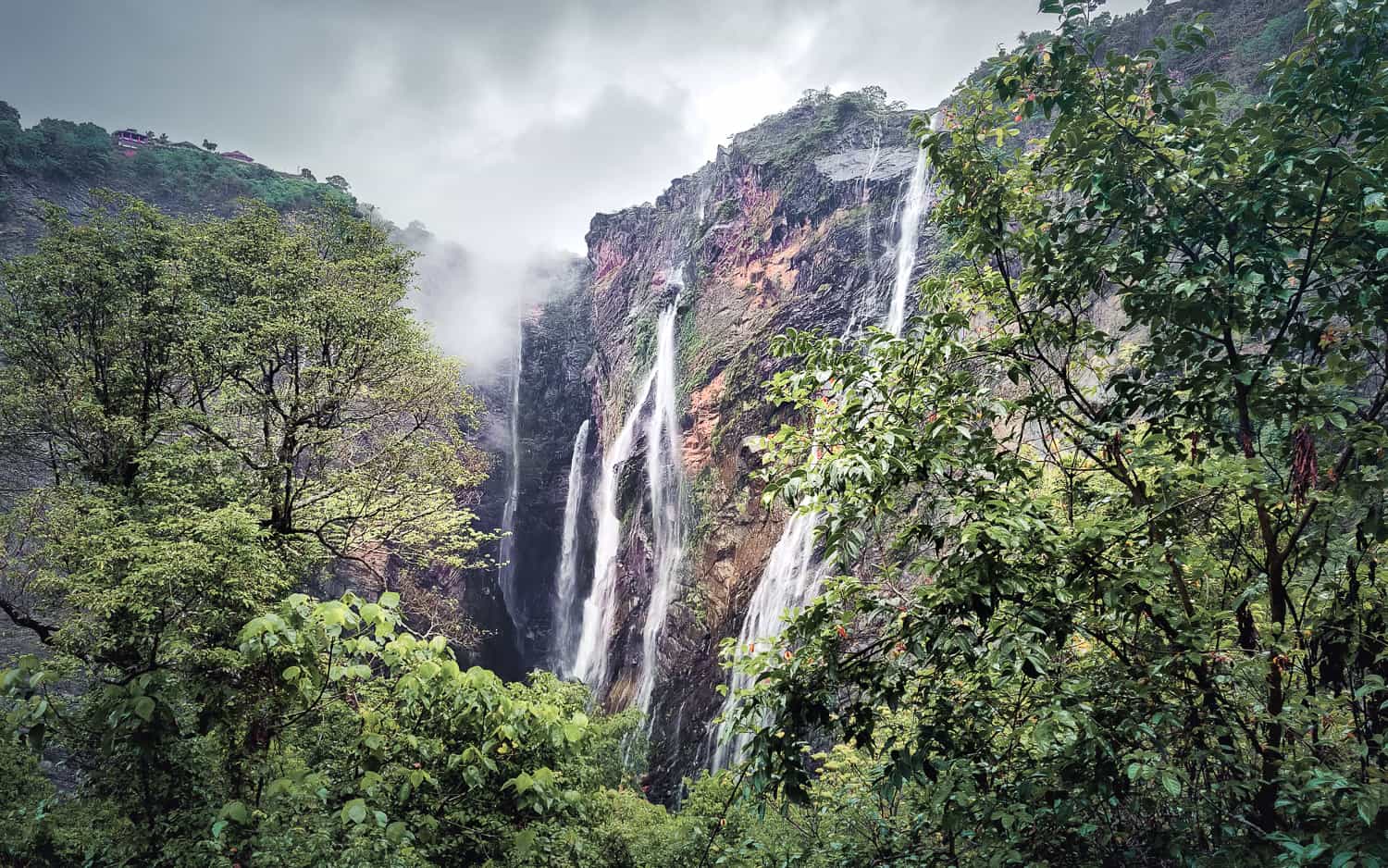
One look at the waterfalls is enough to convince you of the beauty in the Western Ghats of Karnataka. Jog Falls is 253 metres tall and is a combination of four individual streams called lovingly as ‘Raja’, ‘Rani’, ‘Roarer’ and ‘Rocket’. Raja falls is the tallest and grandest of the four and Rani, the smaller one, appears to be its royal companion. Roarer is the loudest and the fourth, ‘Rocket’ has an uncanny resemblence to an actual rocket, wide at the bottom and tapering at the top.

Best time to visit Jog Falls: The best months to visit Jog Falls are generally after the monsoon slows down (so late August, September) till December.The weather is also better during this time. Another option is to go at the beginning of Monsoon (June), like we did.

In the summer, the falls might not be visible due to the low water levels in the Sharavathi river.


Different viewpoints to see Jog Falls

There are a number of view points to see Jog Falls from, starting with the most easily accessible one inside the KSTDC complex to the more off-beat spots scattered around the village of Jog. Here’s a list of the best view points around Jog Falls!

1. KSTDC and PWD Guesthouse
The KSTDC complex is within the Sharavathi Power Generation park and there is a government owned hotel called The Mayura Gerusoppa Falls. This entire park is located on the cliffside across the valley, giving visitors the best view of Jog Falls!

2. Base of Jog Falls
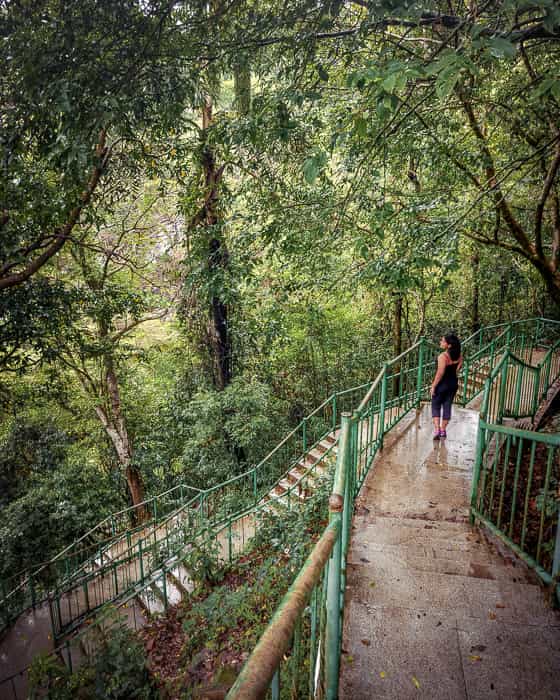
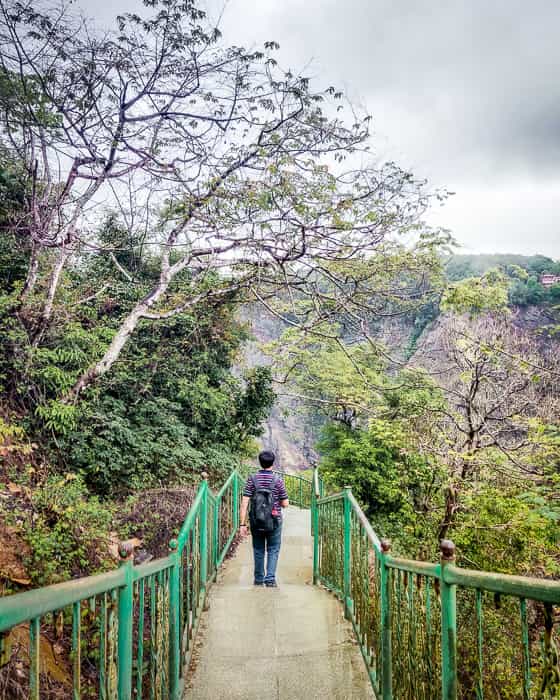
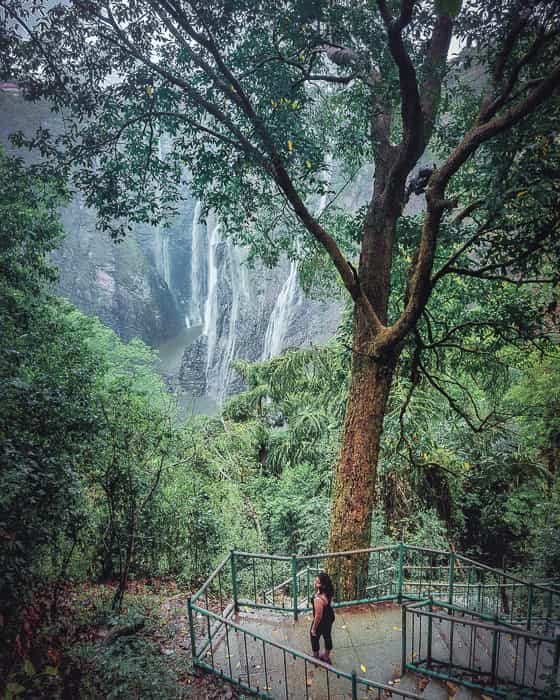
This is the best way to see Jog Falls, if you are willing to walk a fair bit. From the PWD Guesthouse, there is a safe walkway to the base of the canyon. The 1,400 steps to the bottom of Jog Falls take about 20 minutes to climb down and 40 mins to climb up. It is humid and tiring, but worth going once – the scenery is very beautiful while descending. At the end, there is a walled platform for visitors to stand on and admire the waterfalls

3. Viewpoints outside the village
There are many smaller viewpoints at the top of the Raja waterfalls on the opposite side where you can see the water gushing to the edge of before it freefalls. Any local can guide you to these view points.

Location marker: Circuit House and Prakruthi Yatri Nivas

More to see at Jog Falls

The best sights at Jog Falls also include the thick forests all around. We saw many Black Faced Langurs and even a Malabar Flying Squirrel (which is as big as a monkey) jumping in the canopies. 

The Sharavathi Hydroelectric Power Plant was one of the greatest achievements of Independent India. Walk around the KSTDC hotel on the road and you’ll come by the Power Plant viewpoint.

Tip: Every evening at 7:30 PM, there is a free Musical Fountain show in the amphitheatre behind the Mayura Restaurant. With all-time Kannada superhit songs from the last 20 years playing, its a humble treat for visitors!

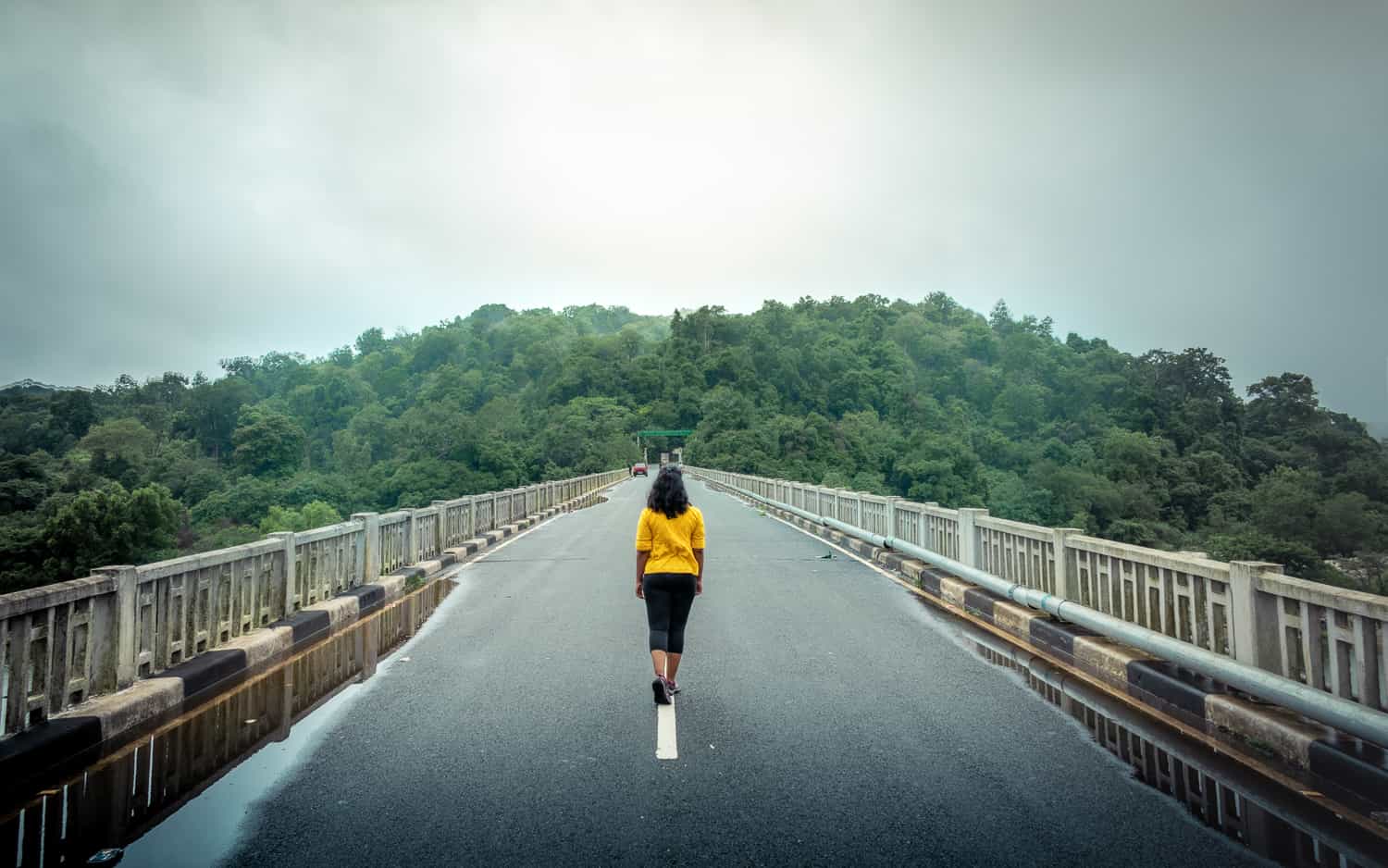
You can take a tuktuk ride to the other side of the valley and visit the Jog Bridge which connects the neighbouring districts of Shimoga and Karwar. The tuktuk drivers charge INR 300 for a one hour tour including the view points and a photo stop at the bridge.

Car parking is available everywhere.


How to travel to Jog Falls

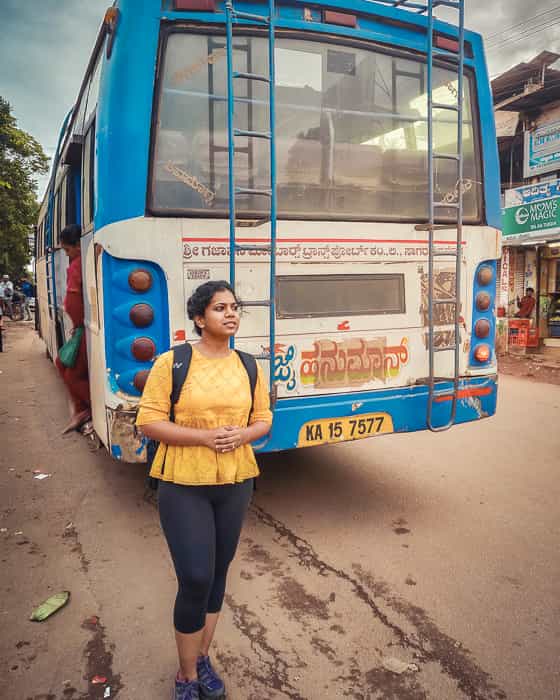
The most convinent way is to take a direct sleeper bus from Bangalore to Jog Falls. You can also reach Sagara which is 30 kilometres from Jog Falls (INR 30 by public bus). The cost of a sleeper bus ticket is INR 750 (USD 11) and takes 6 hours to reach the KSTDC complex where the hotel is located. Buses travel from Mysore, Mangalore, Shimoga as well.

Doing a roadtrip is also a great idea, but check for favourable weather conditions in the monsoon season.


What to eat in Jog Falls

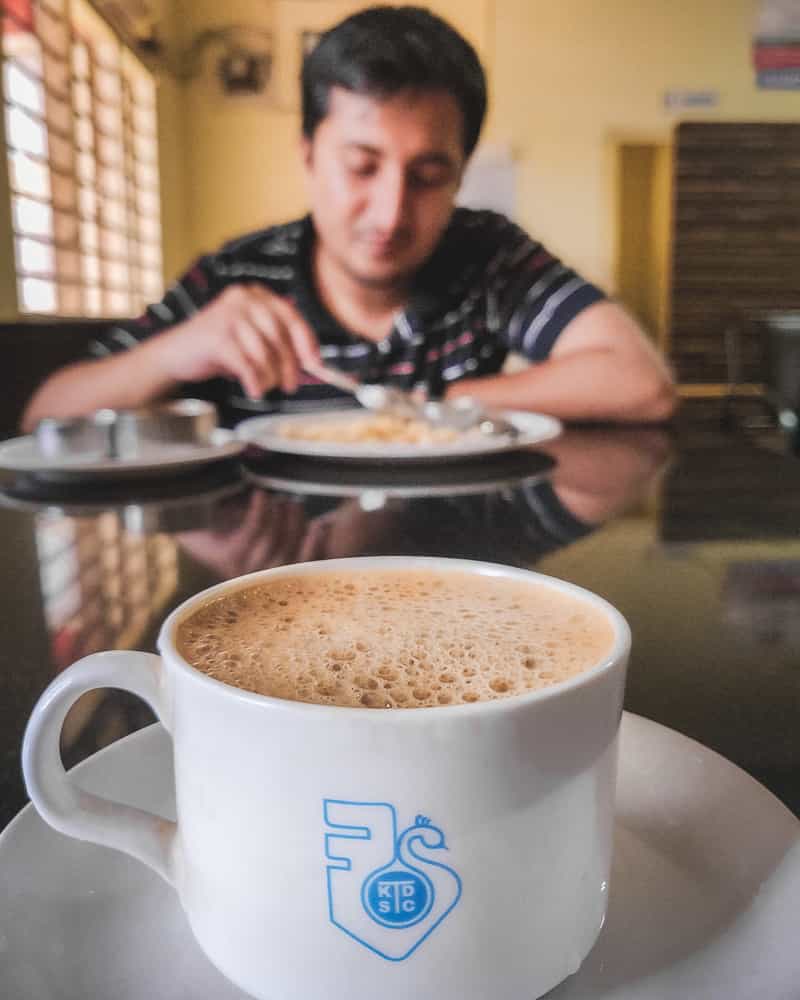
The Mayura Restaurant inside the KSTDC complex serves South Indian and North Indian cuisine, both vegetarian and non-vegetarian. It is reasonably priced (under INR 200 for most dishes). 

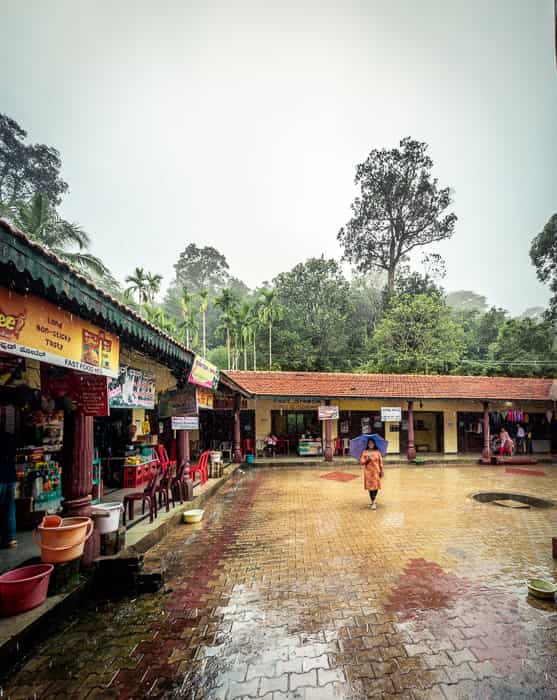
Looking for something more authentic and local? Go to the small market building next door and you’ll find many small eateries selling Masala Mandakki, Bajjis, Maggi and other snacks along with tea and coffee – perfect for the cool weather.


Where to stay near Jog Falls

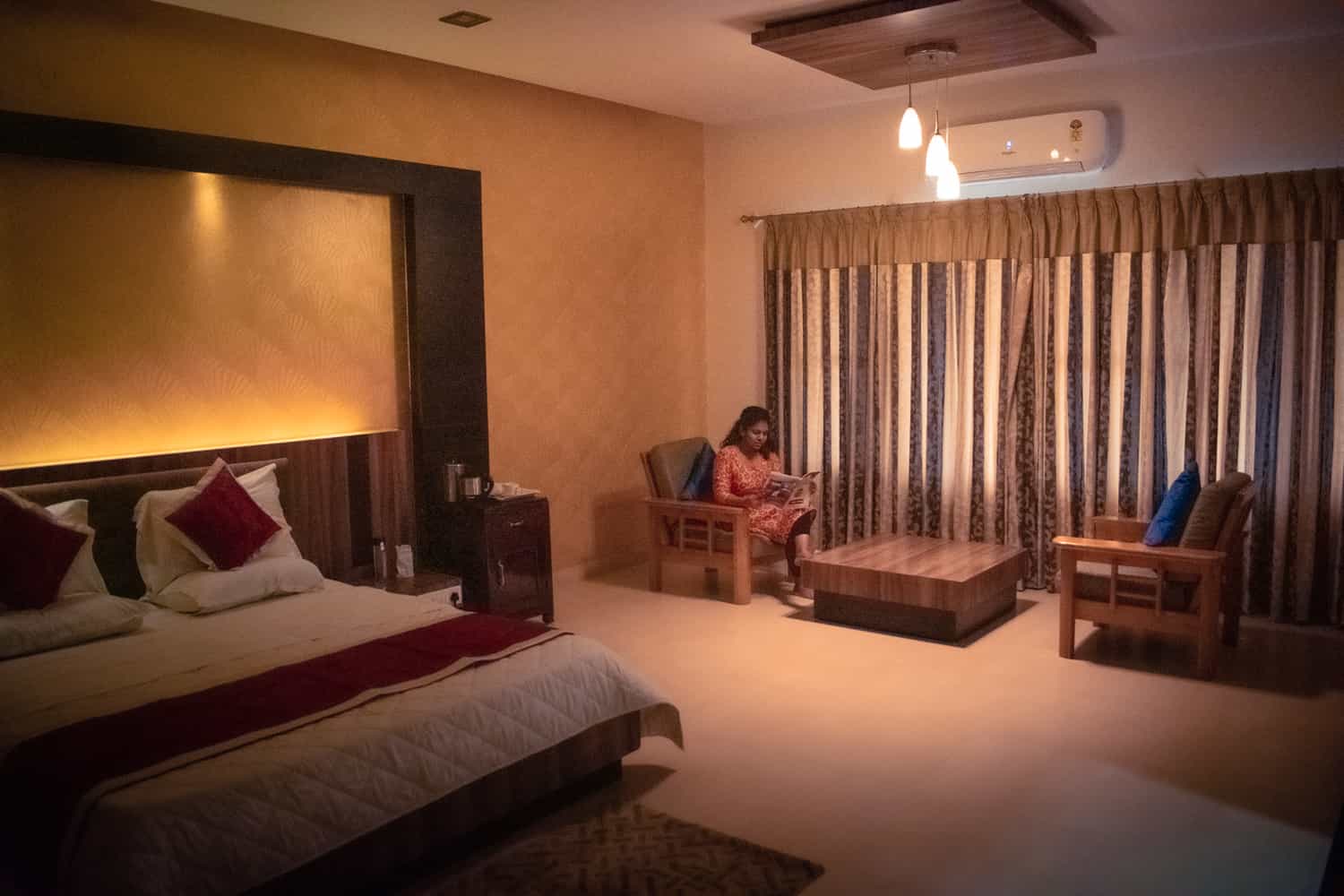
The best place to stay at Jog Falls is ‘The Mayura Gerusoppa Falls Hotel’ which is managed by the Karnataka State Tourism Department Corporation (KSDTC). The rooms are very spacious and well maintained. Despite the best location in Jog Falls, the rooms are very affordable. Rooms with a view of Jog Falls are standard across the hotel. The restaurant, walkway entrance and parking lot are within walking distance. 

Bus drop and pick up points are at the complex gate. You can also hire auto rickshaws there for sightseeing.

There are smaller homestays and cheap accommodation in the village, but we would not recommend those unless The Mayura is sold-out. 


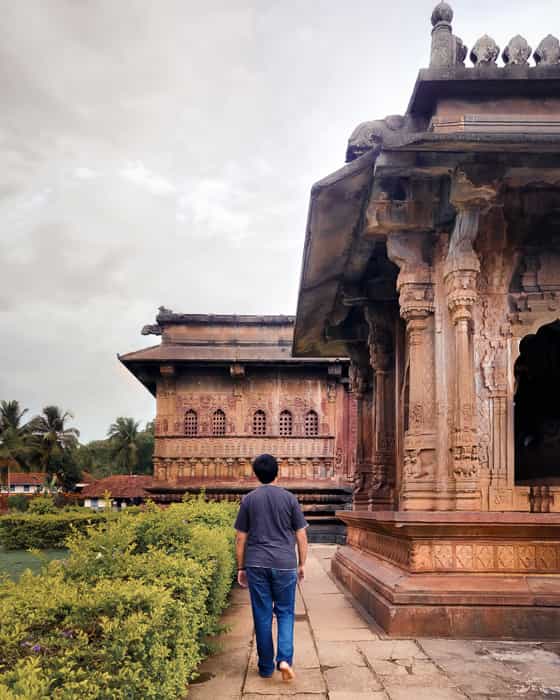
Tip: If you have a few hours before heading back home, stop at Sagara and visit the Ikkeri Aghoreshwara Temple, one of the most important temples in Shimoga.

We requested an auto driver at the Sagara Main Bus Stand to take us there and bring us back to catch the bus to Bangalore. It cost us INR 150 for one hour including the travel and waiting time.

These pictures are proof that there is hidden beauty all around Karnataka, truly the essence of the ‘one state, many worlds’ ideology! Tell us, which is your favourite place in Karnataka?

This article features in the Asia, India, Karnataka categories
This error message is only visible to WordPress admins

Error: API requests are being delayed for this account. New posts will not be retrieved.

There may be an issue with the Instagram Access Token that you are using. Your server might also be unable to connect to Instagram at this time.
Things To Do In Vientiane, Laos

Things To Do In Vientiane, Laos

Asia

Asia

The capital city of the most heavily bombed country in the world – thats how we’d been introduced to Vientiane. But the sheer volume of history pouring out of the city’s monuments soon made us realise that it was so much more than just a former colony of the West!
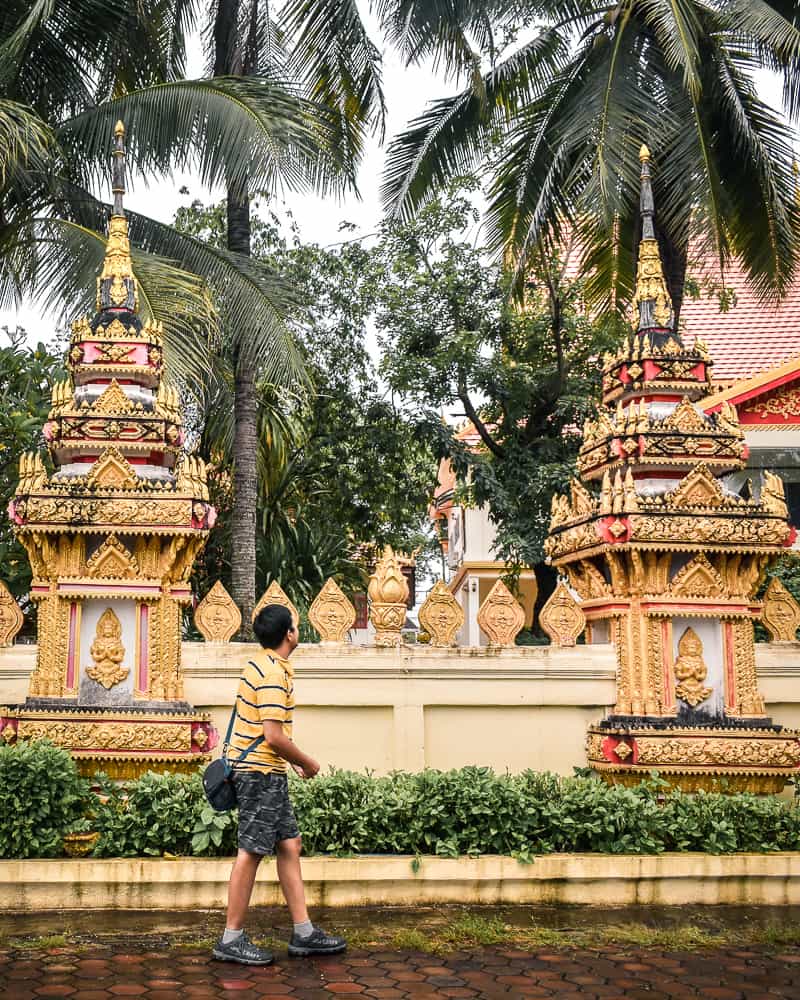
In this blog post, you’ll find everything that you need to know to visit Vientiane. Starting with what to see in Vientiane, we’ve listed down some useful information about where to stay, where to eat and how to get around in Vientiane.
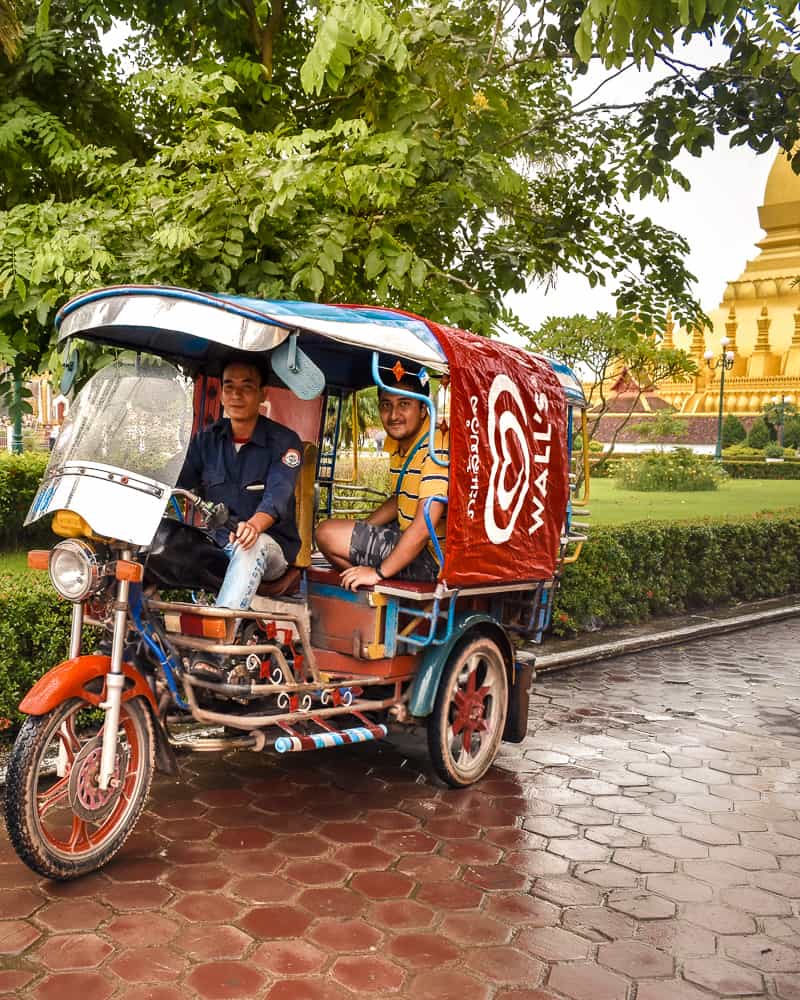
Visit the Gilded Pha That Luang Pagoda

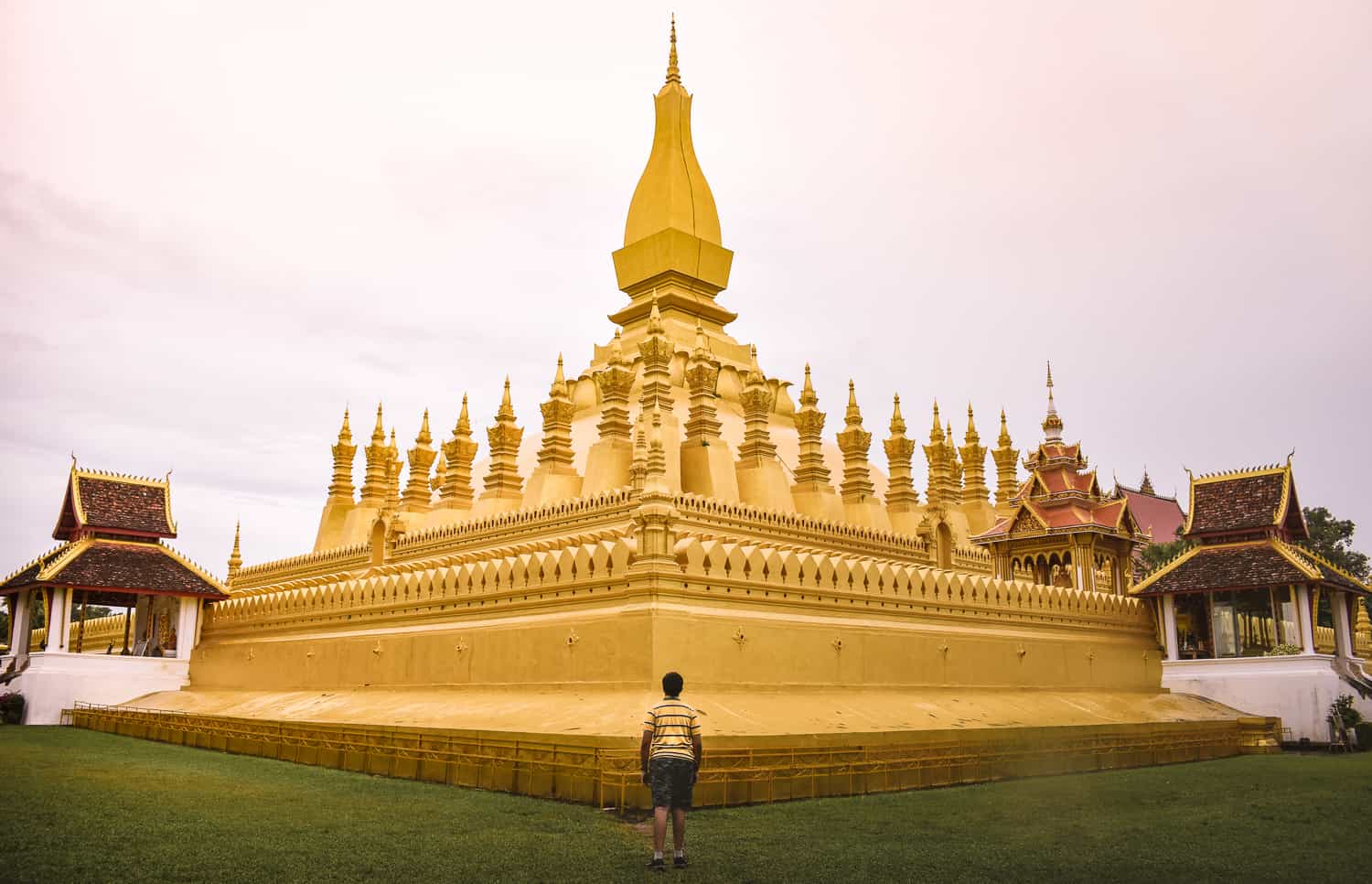
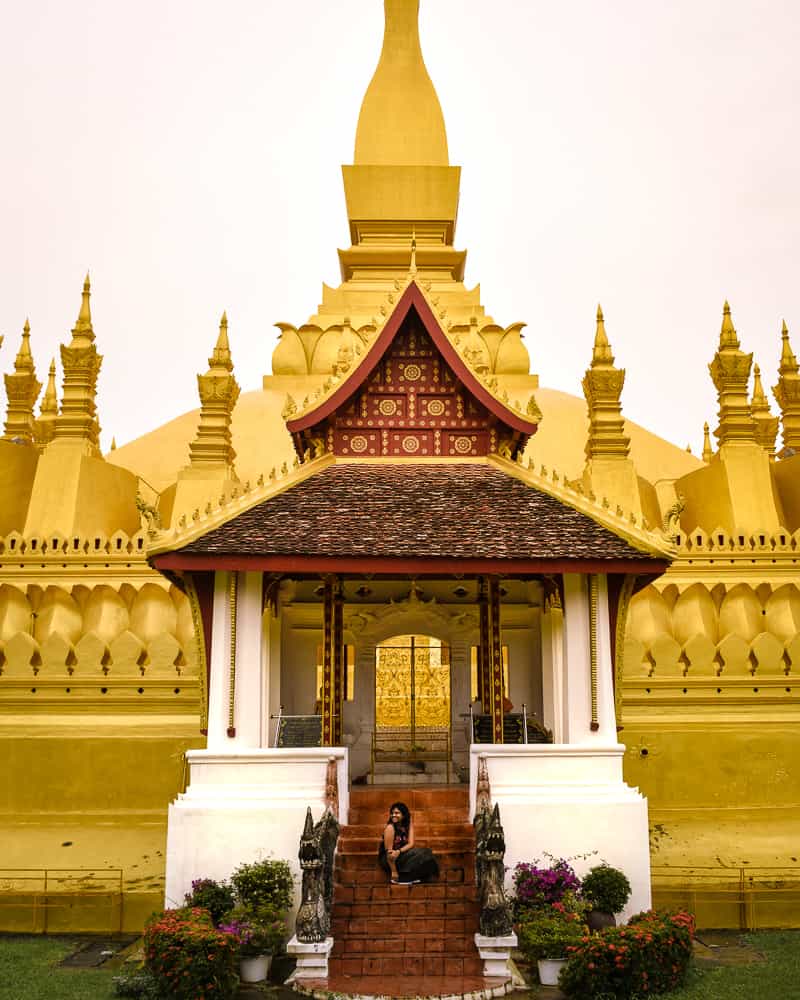
The “Great Stupa” or That Luang (in Lao) is the most iconic monument in the city. Having been plundered and restored repeatedly up to the 1950s, this temple is said to be one of the grandest in the region and represents the epitome of Buddhist culture in Laos since its construction in the 3rd century! The gold colouring was apparently once made entirely of real gold leaf, but was all taken away in the Siamese invasion in the 1800s.

With a modest entrance fee of LAK 10,000 (INR 83 or USD 1.2), expect to spend about an hour admiring this beautiful temple whilst walking the lawns, around the square stupa.

Admire the Patuxai Victory Monument in the city centre

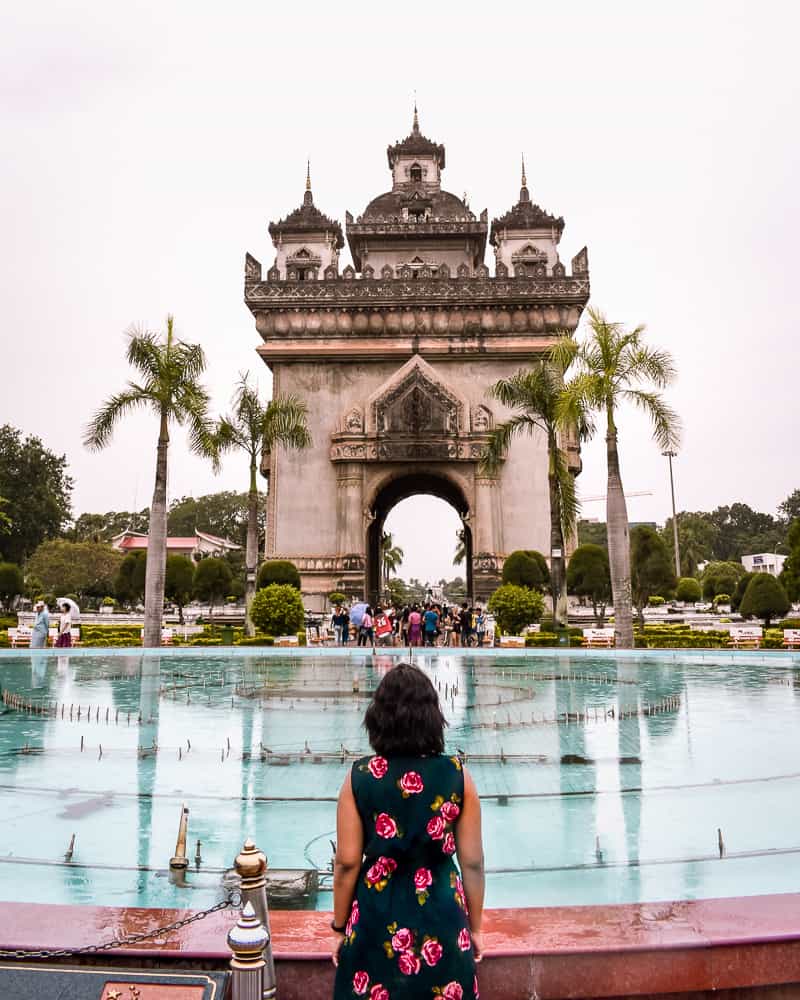
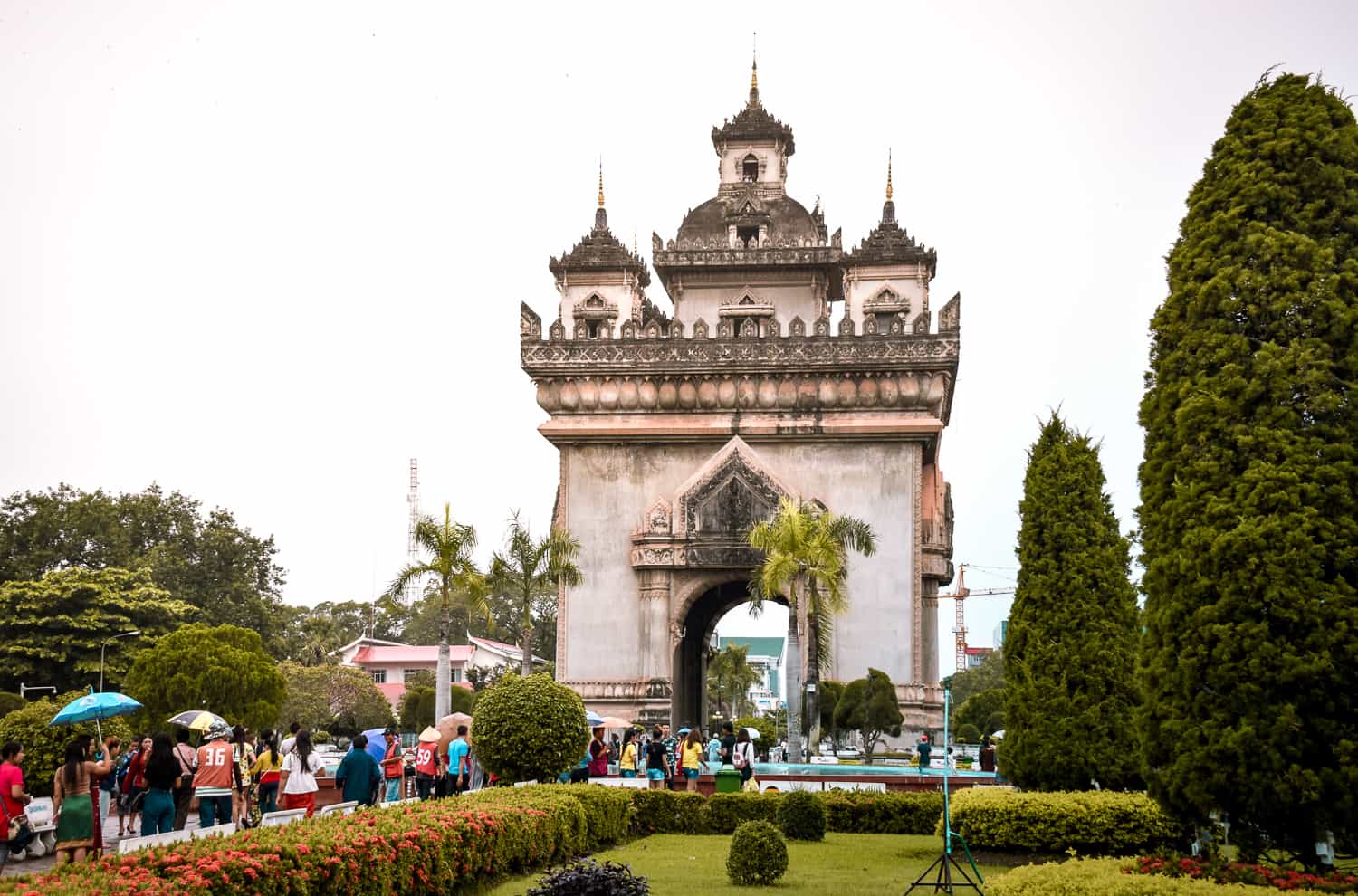
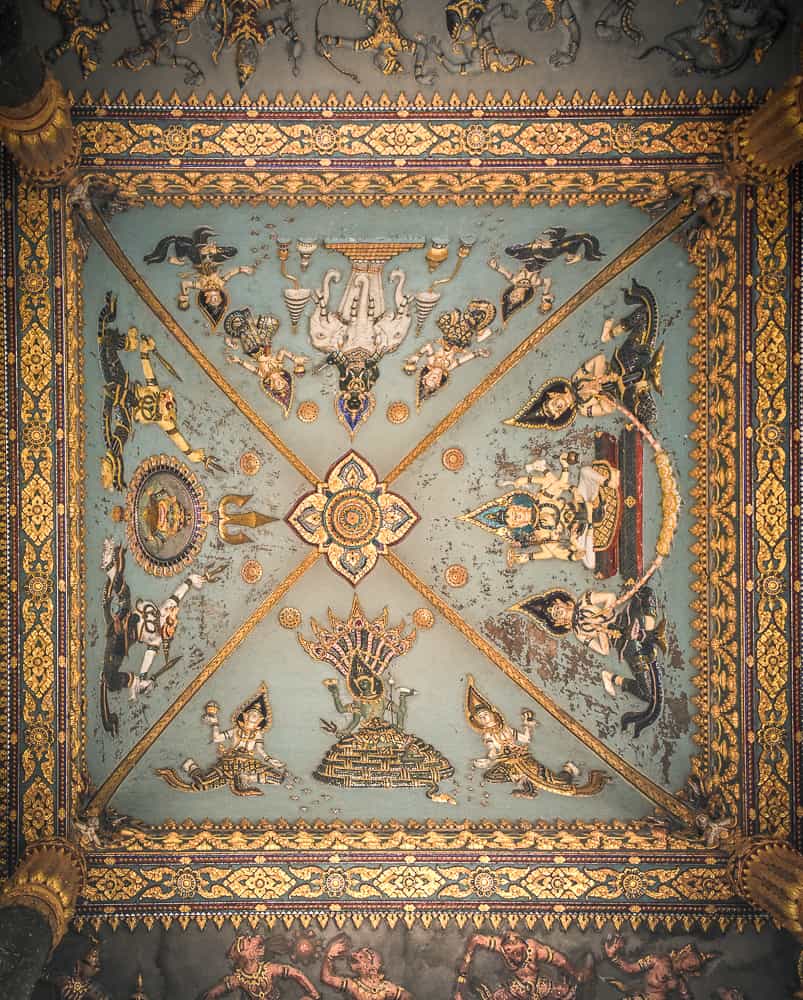
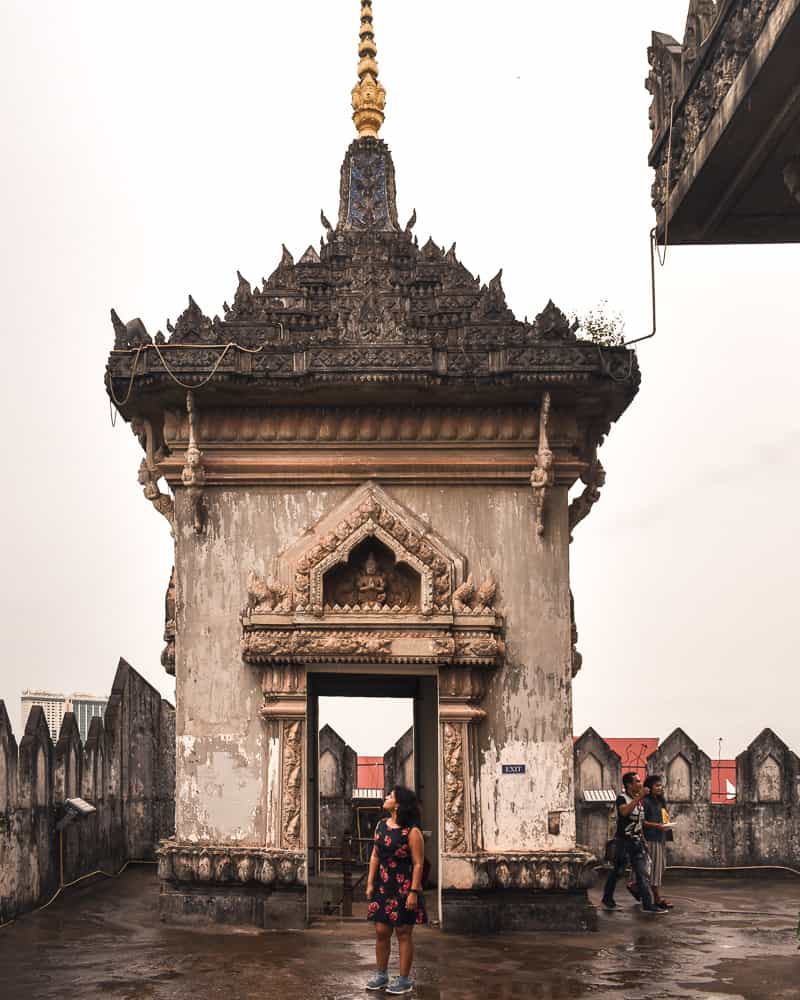
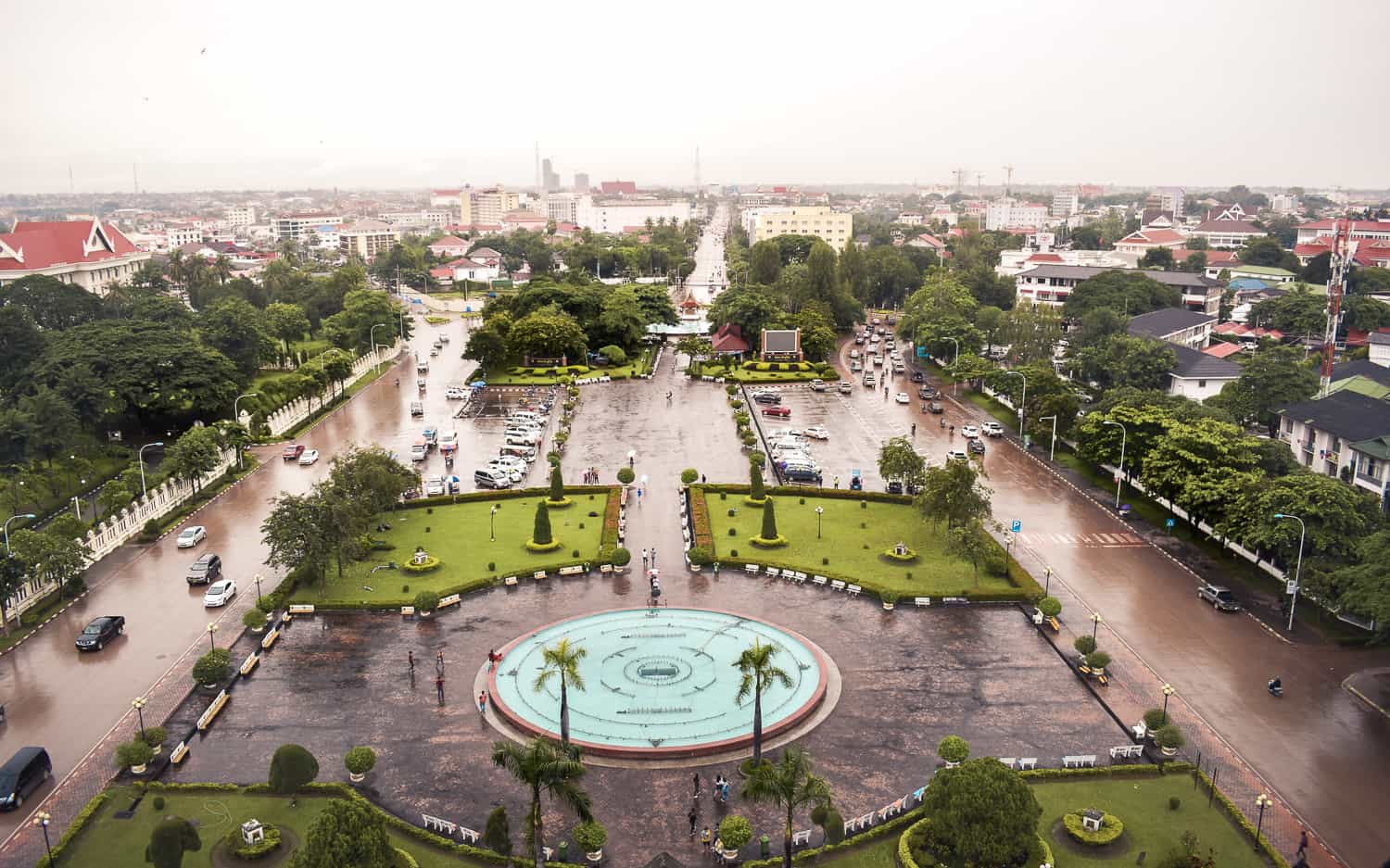
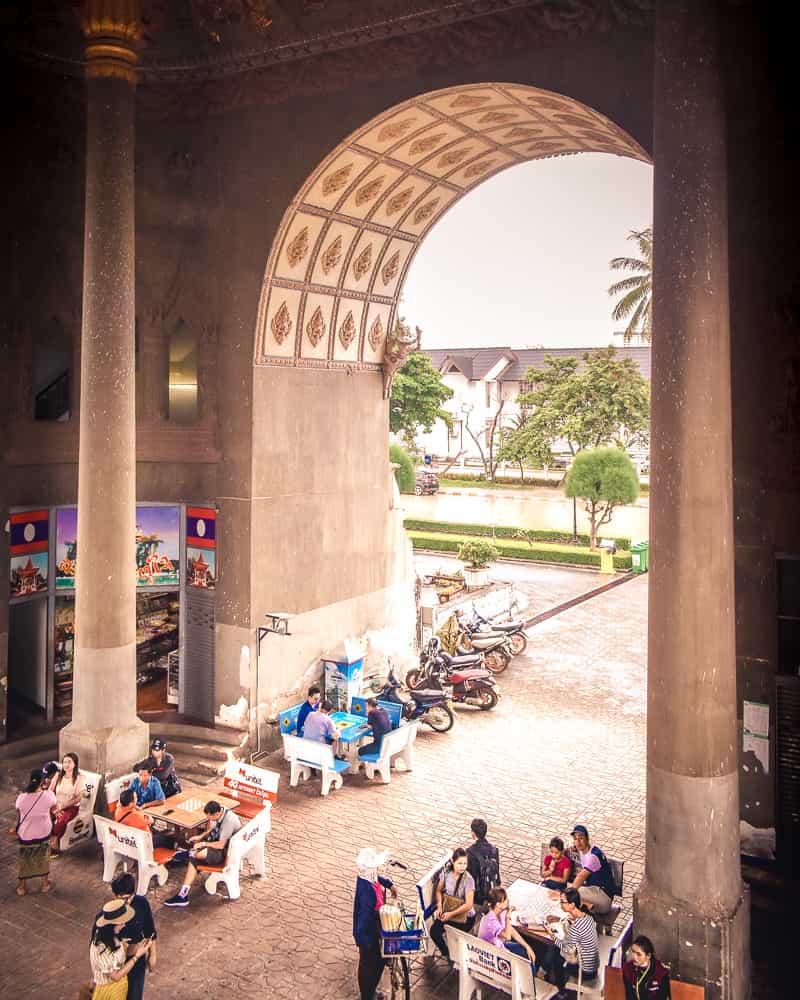
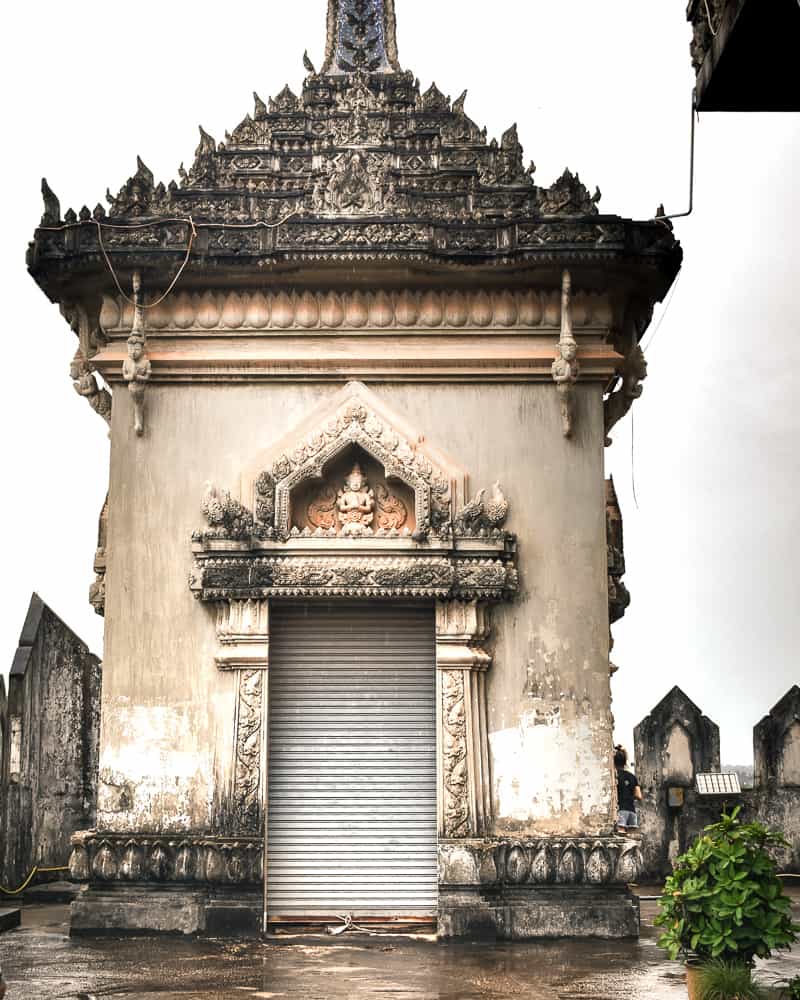
Built as a testament to the victories of the Laotian people in WWII and in the liberation from French control, the Patuxai memorial was modelled on the Arc De Triomphe in Paris, with numerous features of Lao architecture, particularly the tower tops. The interiors were decorated with snippets from Lao culture, some of which is visible even today. The ceiling of the inner dome bears murals of Hindu Gods Brahma, Vishnu and Indra.

There is a nominal fee of LAK 6,000 (INR 25 or USD 0.4, cents) to climb to the top of the towers, and its definitely worth a visit to the top, to see Vientiane from a different perspective! Expect to spend an hour in the premises.

Tip: The Ezhara beach is best visited during the morning hours, while the Kizhuna beach is a sunset beach – so plan to spend your day accordingly!

Offer your prayers at the Wat Ho Phra Kaew

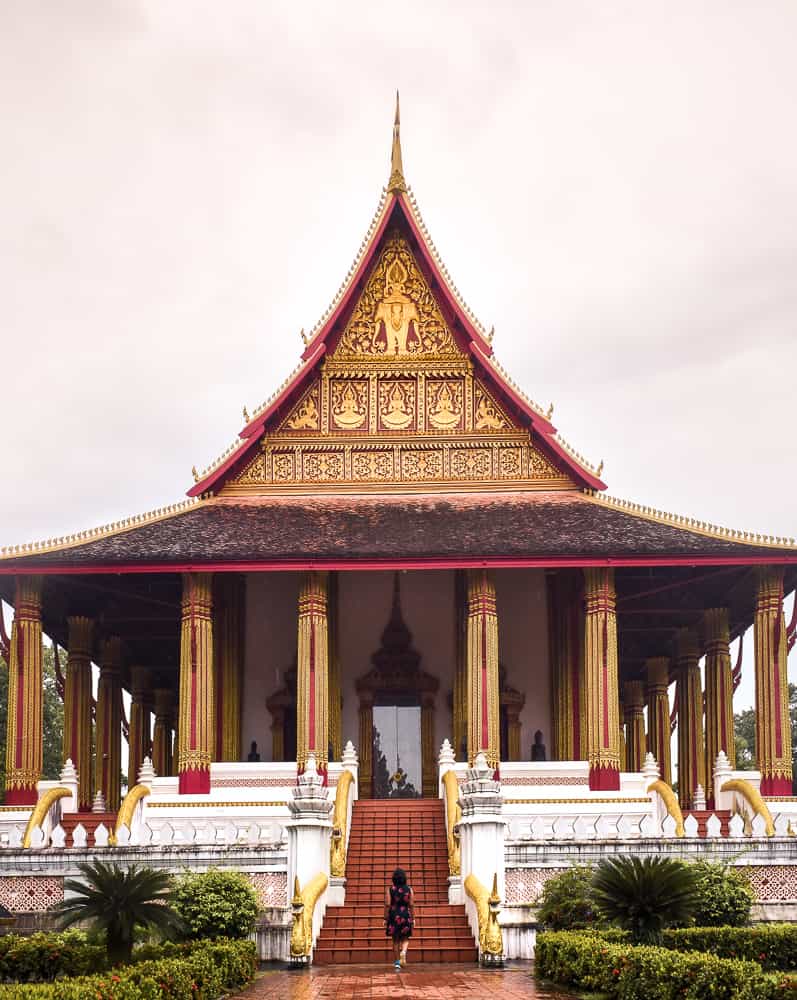
The shrine of the Emerald Buddha, was formerly home to the legendary idol. In the plundering of Vientiane by the Thai forces in the 1800s, the emerald idol was stolen and taken away to Bangkok. It was sanctified in the Wat Phra Kaew there, and is even now worshipped by the people there. It’s on our Bangkok explorers’ list here.

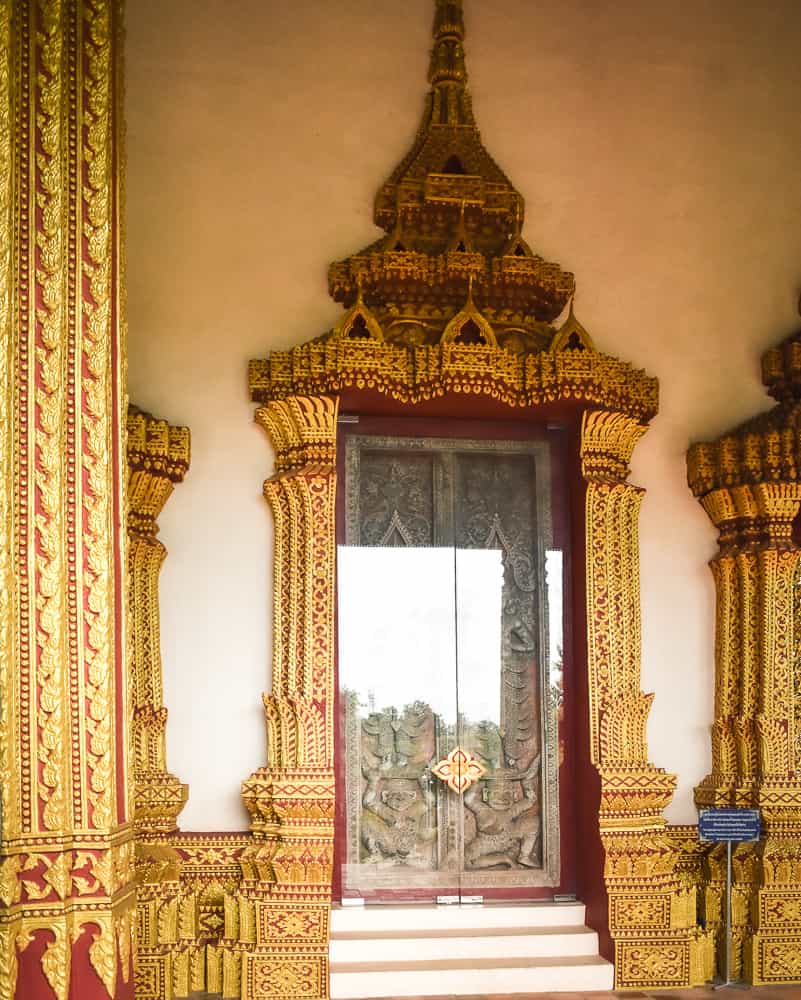
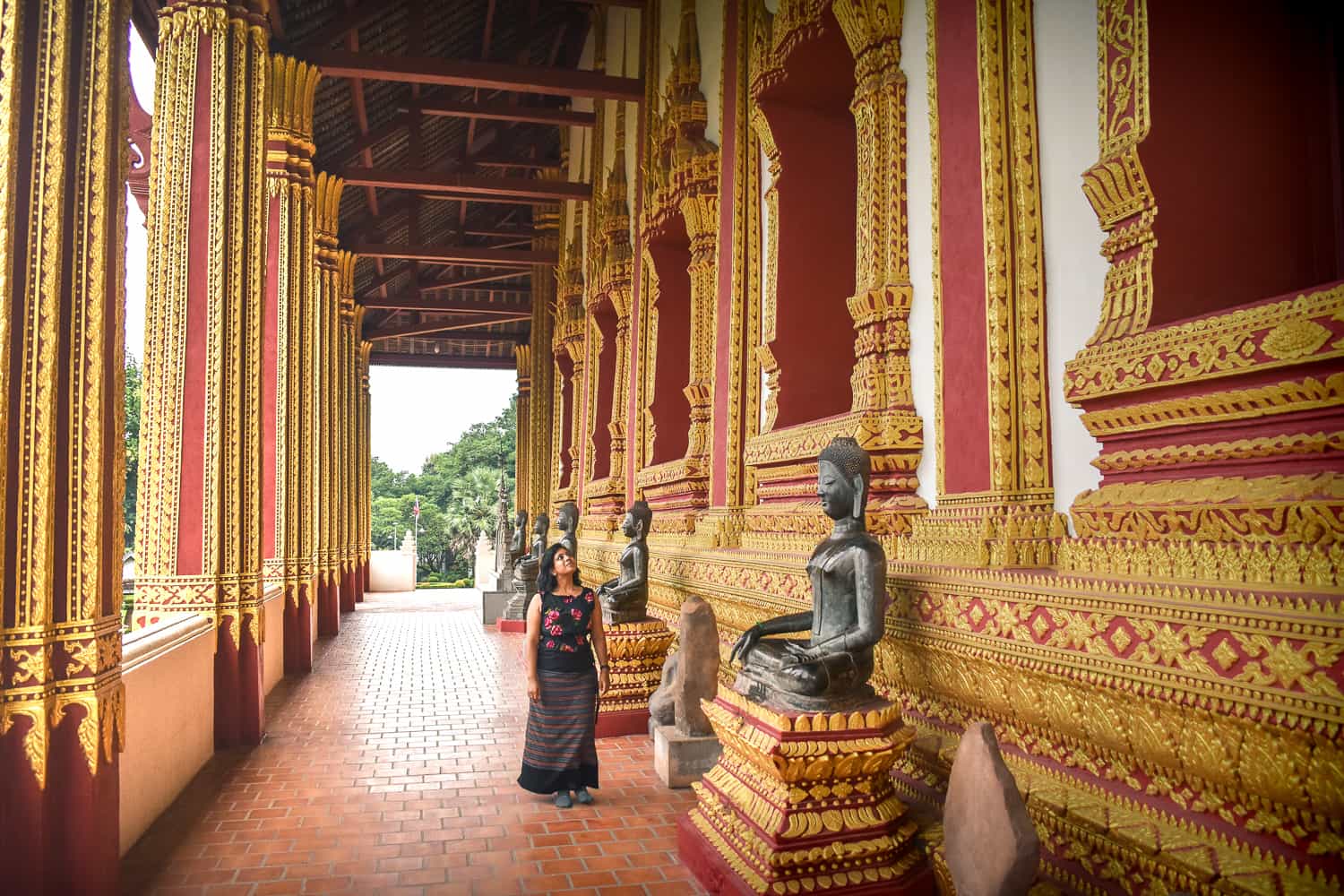
Today, this temple stands as a museum housing many Buddhist and sacred Lao artefacts, some of which are from the 6th century! Entrance fee of Wat Ho Phra Kaew costs LAK 10,000 (INR 83 or USD 1.2). Expect to spend about 45 minutes admiring the artefacts and the gardens.

Other places to see in Vientiane

Explore the city centre on foot/by tuktuk. An all-day tuktuk hire cost starts at around USD 12 and it is the most convenient way to see Vientiane.

The Vientiane Buddha Park which is in the south-eastern section of the city is a great place to see how well Hinduism and Buddhism integrate. There are nearly 200 buddha statues and idols, some of which are actually very large. The tallest idol is actually so big, that it is visible across the river from Thailand too! Spend an hour or two at the Buddha Park, Vientiane.

Explore Vientiane and the night market by the Mekong River

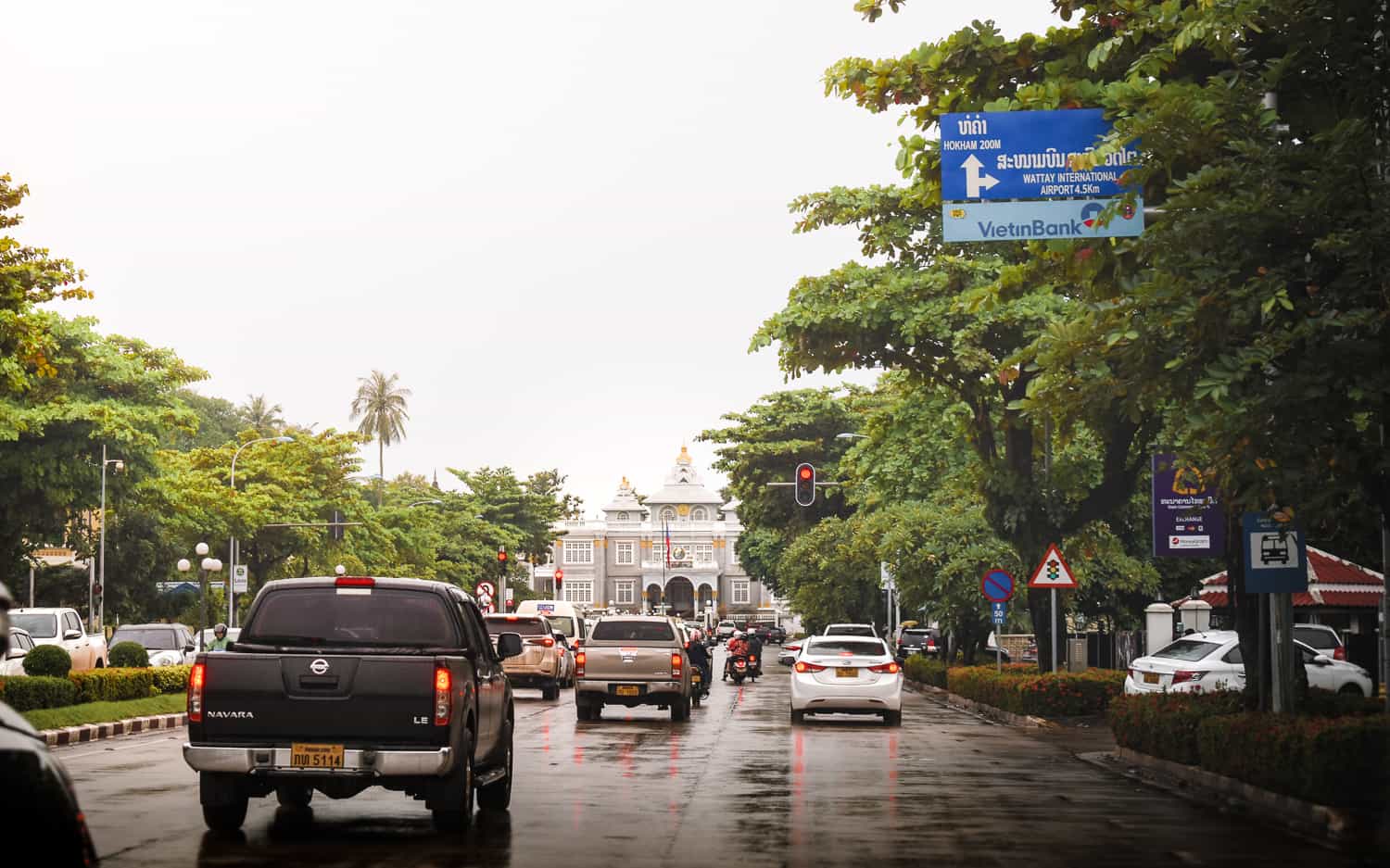
Visit the avenues around the Presidential Palace in downtown Vientiane. Take a break at one of the many streetside cafés in the city while admiring the Buddhist and colonial architecture.

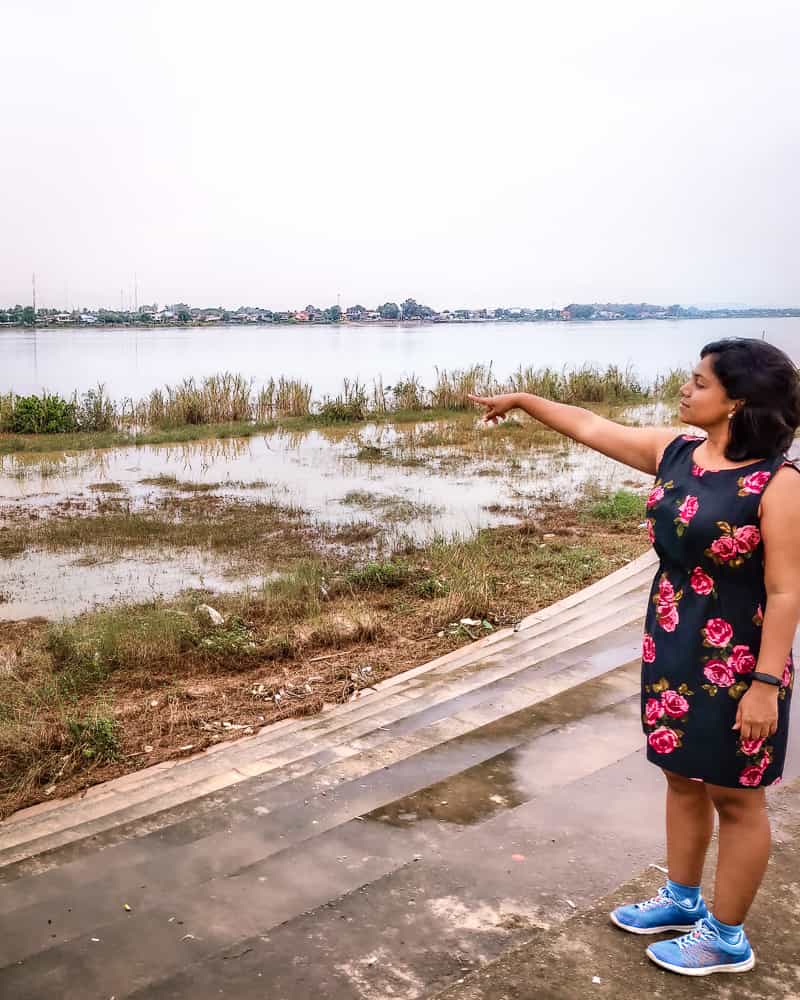
Take a walk along the Mekong in the evenings – there’s a wonderful night market and you can buy from a big variety of clothes, food, and electronics at some really incredible prices. And wave to the other side of the Mekong – thats Thailand!


Where to eat in Vientiane

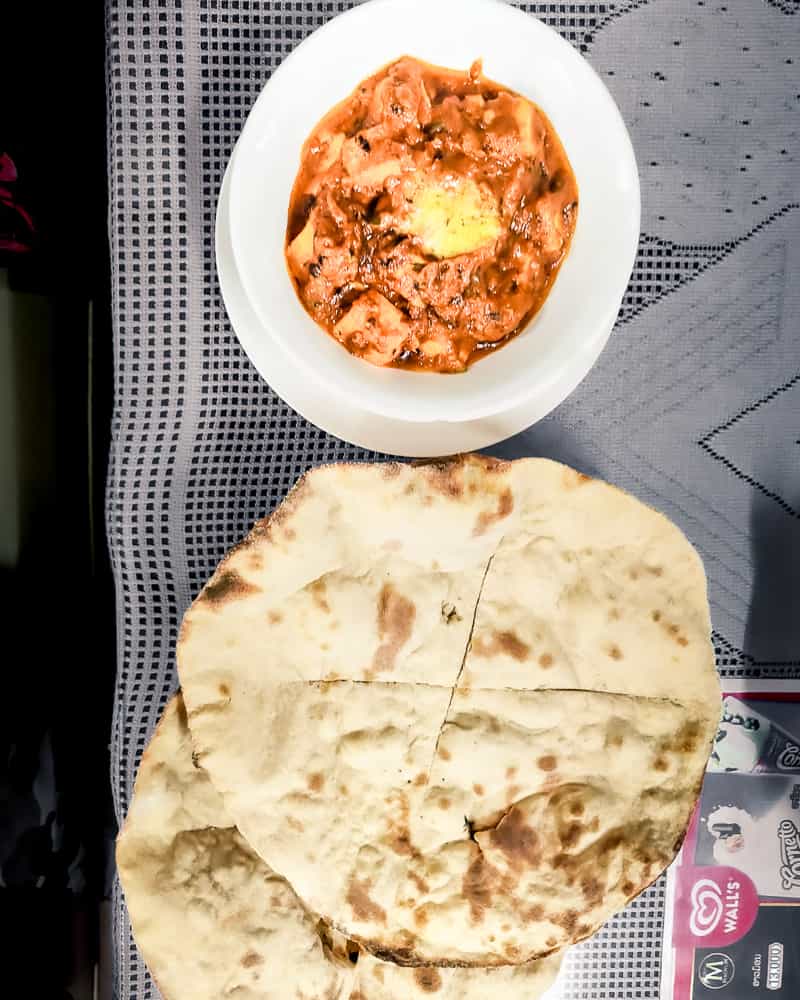
Street food in Vientiane and authentic Lao cuisines include Baguettes (due to the French rule). There are many other cuisines as well, including Indian (and Bangladeshi) restaurants serving South Asian food. 

Best place to eat street food in Vientiane is the Night market along the Mekong river.


Where to stay in Vientiane:

Vientiane has a wide range of hotels and hostels starting at very low prices. We stayed at the Vientiane Luxury Hotel – the room was clean and air-conditioned and the hotel was quite nice. The cost for one night was LAK 228,000 or USD 26 (INR 1,800).

See all accommodations in Vientiane here.

Getting to Vientiane:

Vientiane is well connected internationally through its Airport – flights from South East Asia, and from the rest of Asia through Bangkok, Kuala Lampur and Singapore.

Intercity Bus in Laos:

  1. Bus from Vientiane to Vang Vieng / Bus from Vang Vieng to Vientiane (3.5 hours)
  2. Bus from Vientiane to Luang Prabhang / Bus from Luang Prabhang to Vientiane (8 hours)
  3. Bus from Vientiane to other south Lao cities

You can also take a bus from Thailand to Laos into Vientiane. 

Buy bus tickets for Laos here.


Getting around in Vientiane:

  • The best and cheapest way of exploring Vientiane is by Tuktuk. The cost of tuktuk rides starts at about LKP 100,000 (about INR 850 or USD 12) for four sightseeing places.
  • Rent a bicycle for a couple of dollars or rent a scooters at about LAK 80,000 (USD 10 or less)
  • For more comfort, use Grab Taxi services


If you have any more questions about planning a trip to Vientiane, don’t hesitate to leave a comment here or write to us!

This article features in the Asia, Laos, South East Asia categories
This error message is only visible to WordPress admins

Error: API requests are being delayed for this account. New posts will not be retrieved.

There may be an issue with the Instagram Access Token that you are using. Your server might also be unable to connect to Instagram at this time.